Technical Guide

The Importance of Air Pressure in DTH Drilling: How It Affects Performance

Drill Bit Sizing

DTH Bits

Down-the-Hole (DTH) drilling plays a pivotal role across construction, water well, geothermal, mineral exploration, and oil & gas markets. At the heart of it is the DTH Hammer, which uses compressed air to power the entire drilling process. The efficiency of that process is directly and heavily reliant on air pressure — from drilling speed to tool longevity, getting air pressure right is what separates a productive operation from a costly one.
The Fundamentals

How Air Pressure Works in DTH Drilling
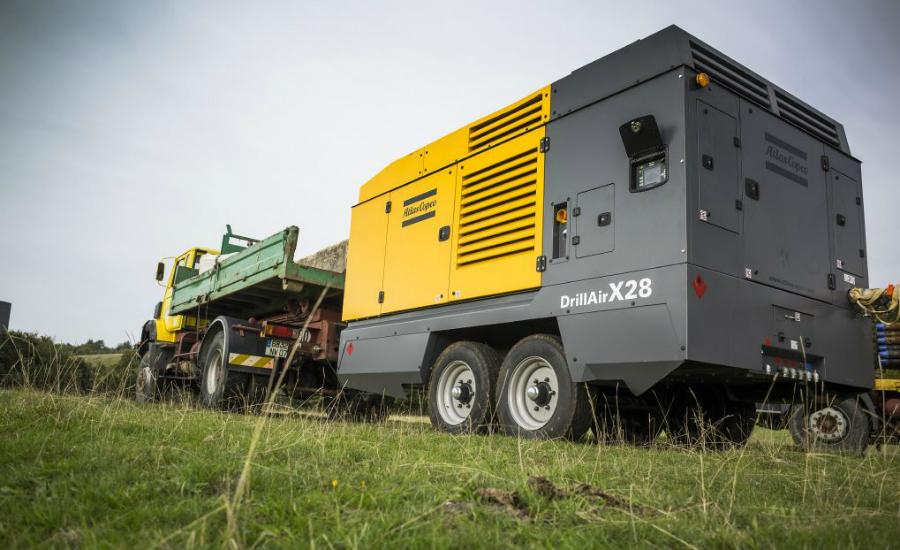
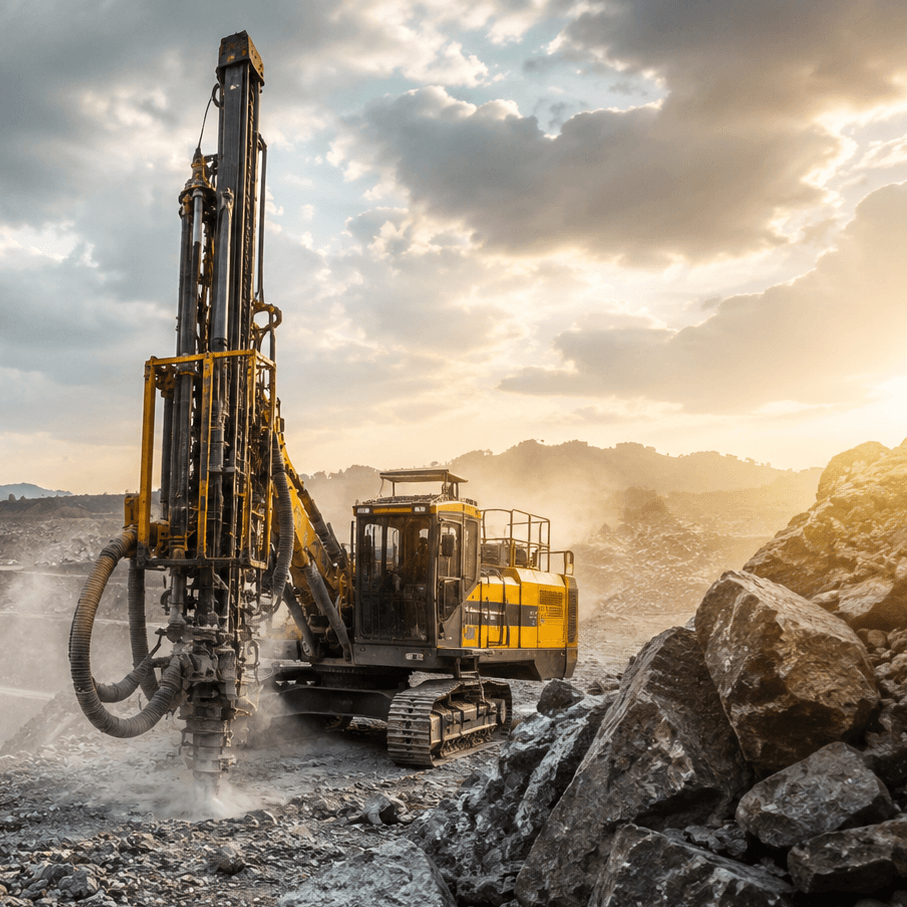
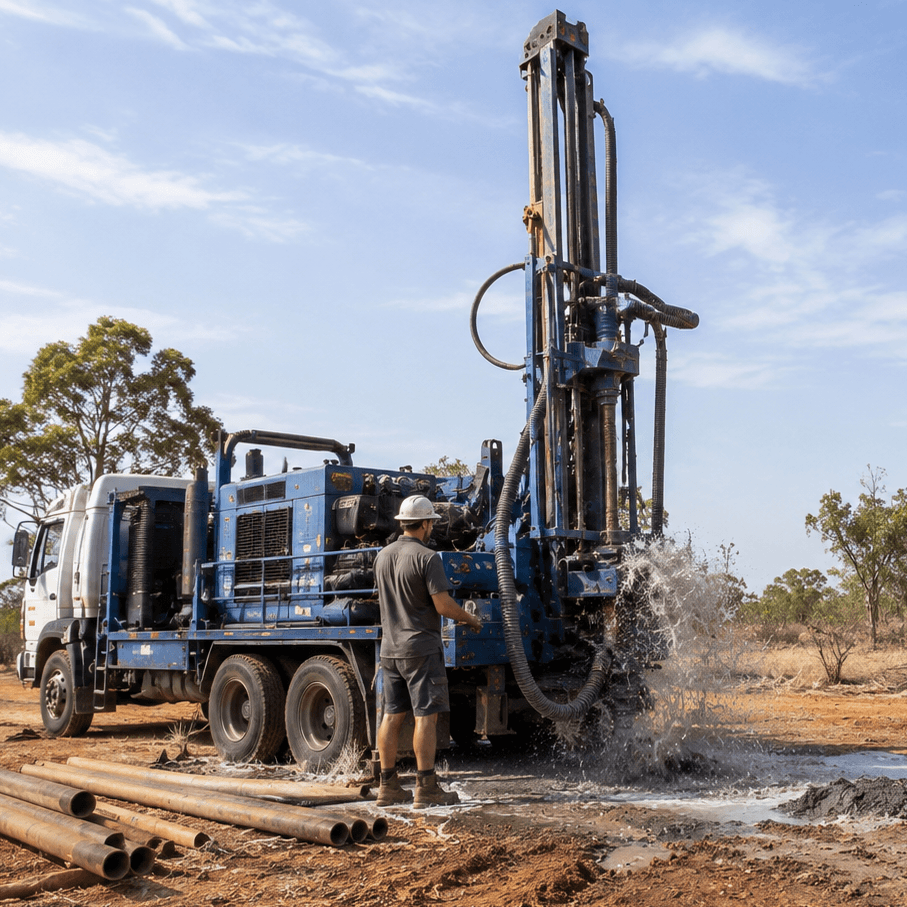
Compressed air supply — the lifeblood of any DTH drilling operation

In DTH drilling, compressed air is injected into the hammer, driving a piston in a high-velocity cycle that delivers rapid, powerful impacts directly onto the drill bit. This percussive force is what fractures rock formations, enabling hole penetration. The air pressure — combined with volume — also carries drill cuttings back up the annulus to the surface, keeping the borehole clean.

Higher air pressure increases the hammer’s impact force, improving the penetration rate and enabling the DTH hammer to cut through rock more easily. Insufficient pressure causes slower drilling, increased wear, and in some cases overheating caused by over-drilling. The right air pressure ensures the hammer operates at peak efficiency — minimising the need for frequent maintenance or tool replacement.
Performance Impact

Air Pressure & Drilling Performance

Air pressure touches every aspect of DTH drilling performance. Understanding these three direct relationships is fundamental to running an efficient operation.
01

Penetration Rate

Higher air pressure creates a stronger impact force, accelerating rock breakage. In hard formations like granite, high pressure is a necessity — not an option. A higher penetration rate reduces drilling time and lowers cost per metre. However, monitor bit and hammer wear closely: higher Up Hole Velocity (UHV) of cuttings substantially increases wear in abrasive conditions.
02

Energy Efficiency

When air pressure is optimised for specific drilling conditions, fuel consumption is minimised and equipment wear is reduced. Under-pressurising leads to higher fuel use and unnecessary strain on the compressor and drill string. Long-term projects benefit most from finding the precise pressure balance — it has a direct impact on operating cost over the life of the project.
03

Hole Cleaning

Adequate air pressure and volume are essential for flushing drill cuttings from the borehole. Cuttings left in-hole cause over-drilling, blockages, premature bit wear, and potential tool failure. The right pressure and volume ensures correct UHV to evacuate cuttings successfully — maintaining smooth drilling and reducing costly downtime.

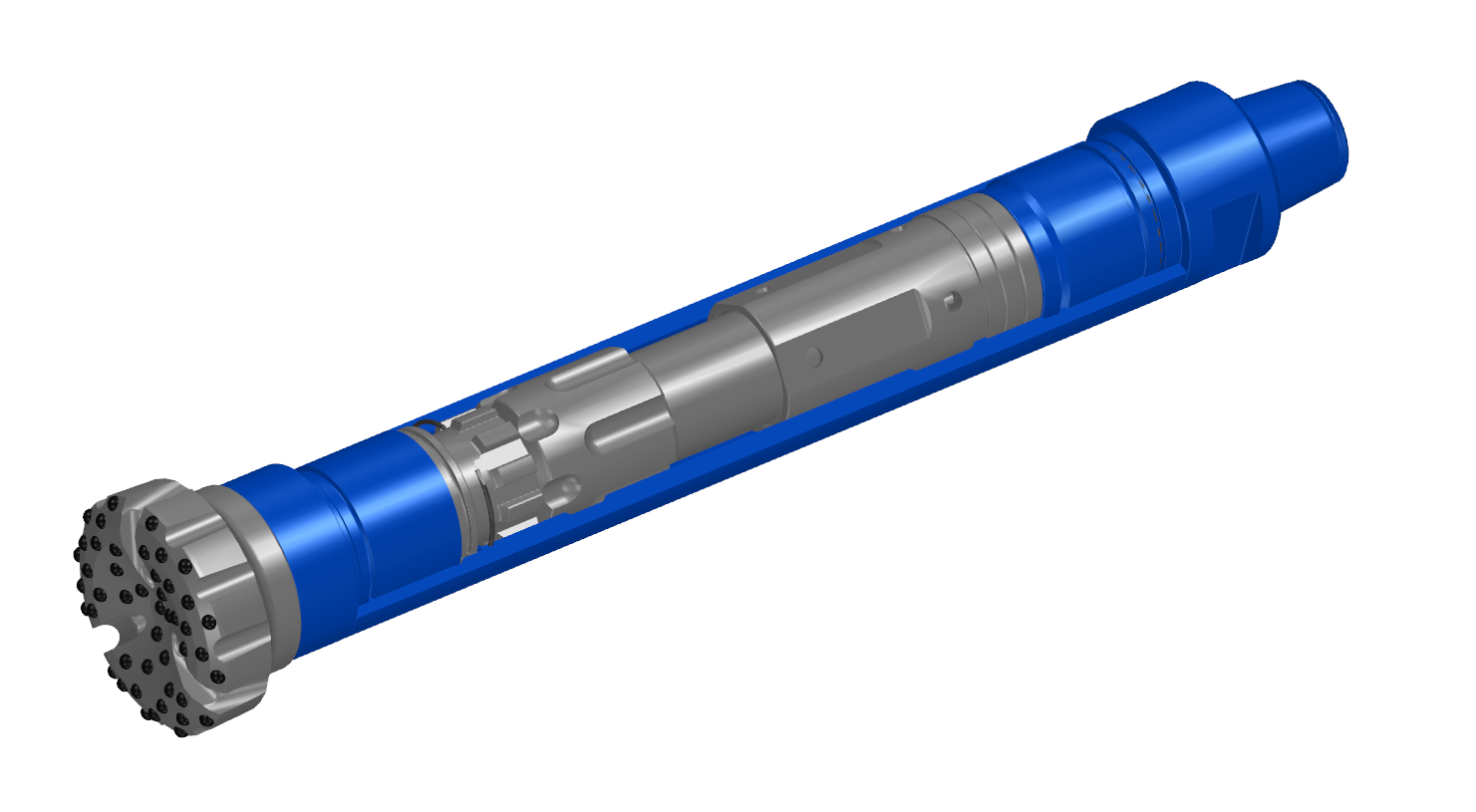
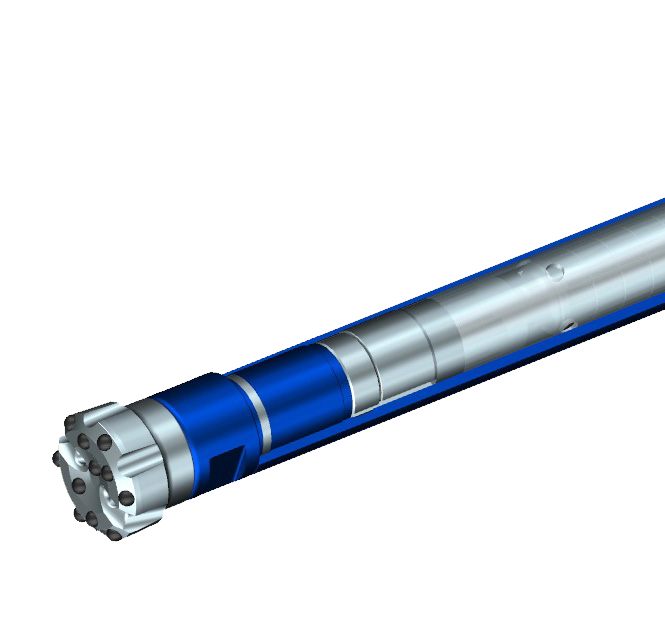
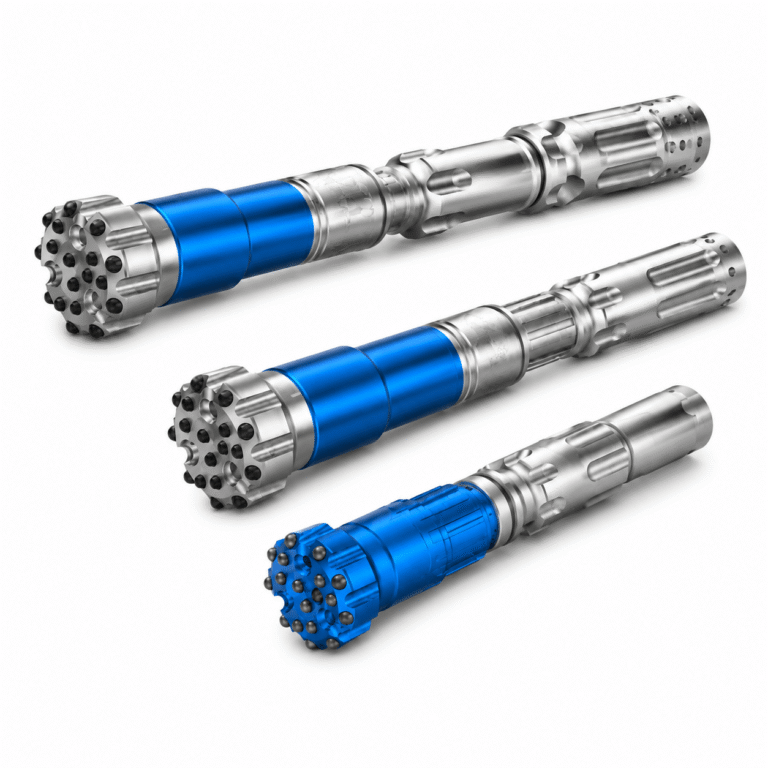
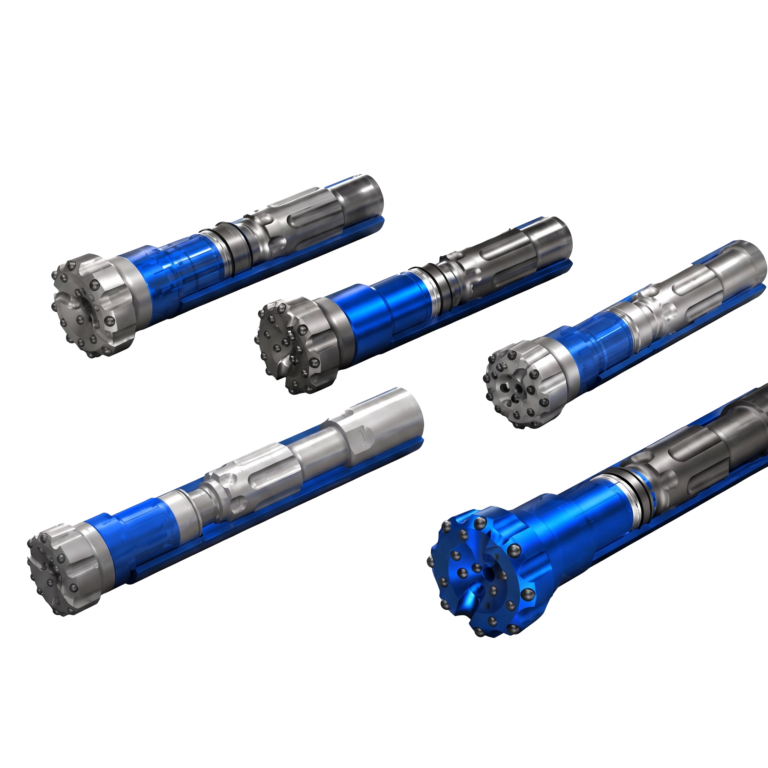
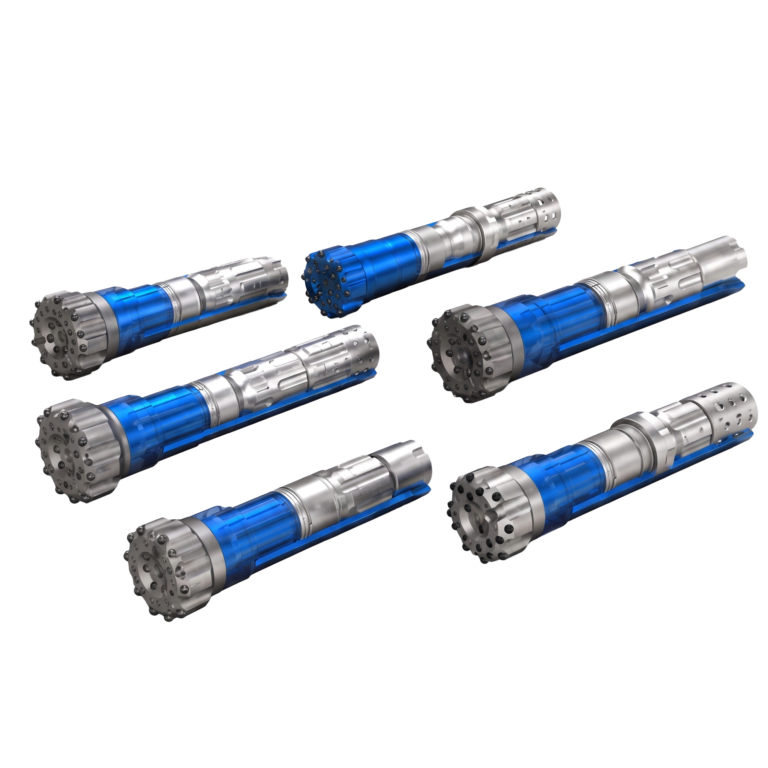
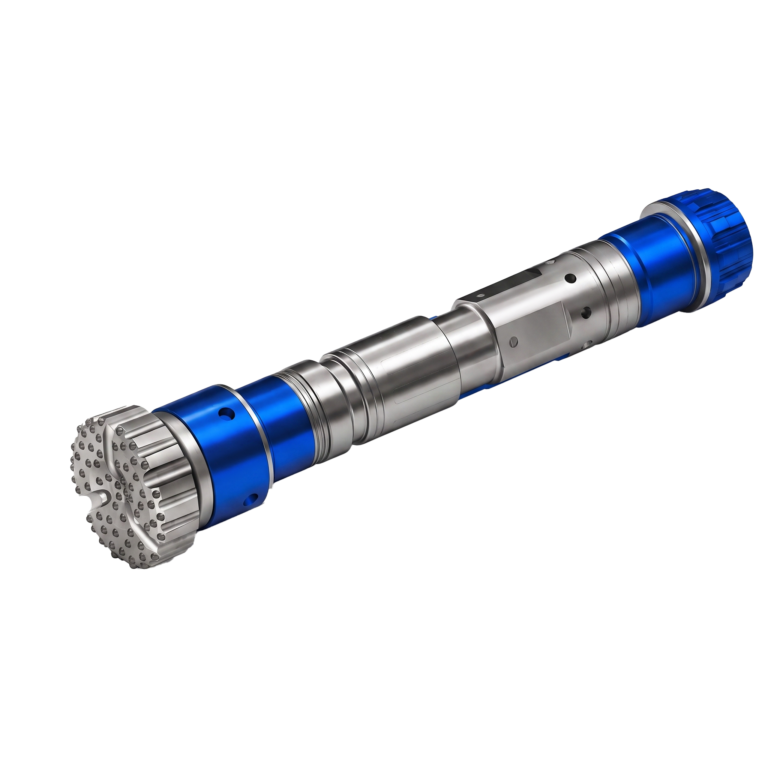
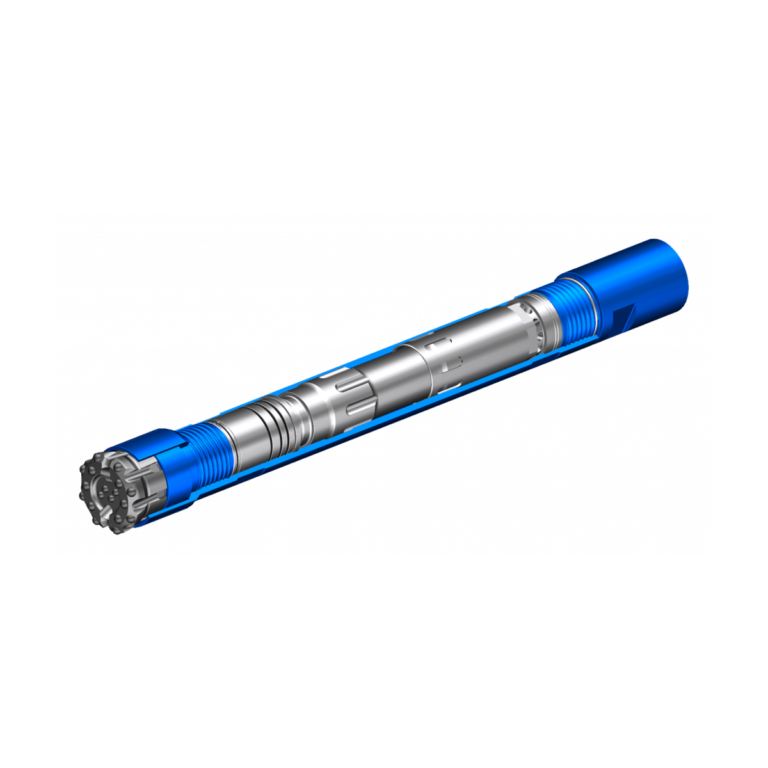
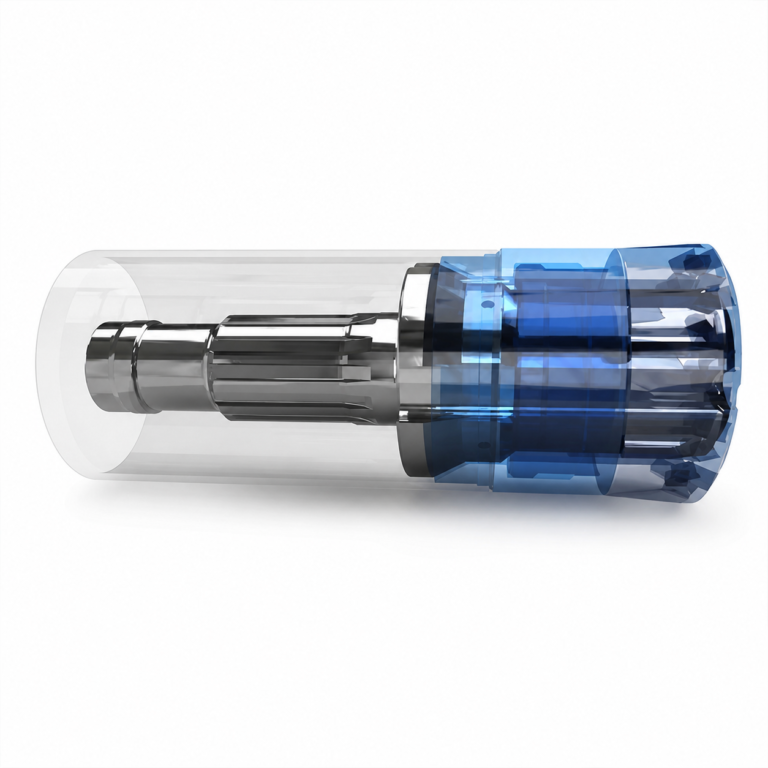
Drill King International DTH hammer — engineered for consistent air-driven performance

Six Key Factors

Factors Affecting Air Pressure in DTH Drilling
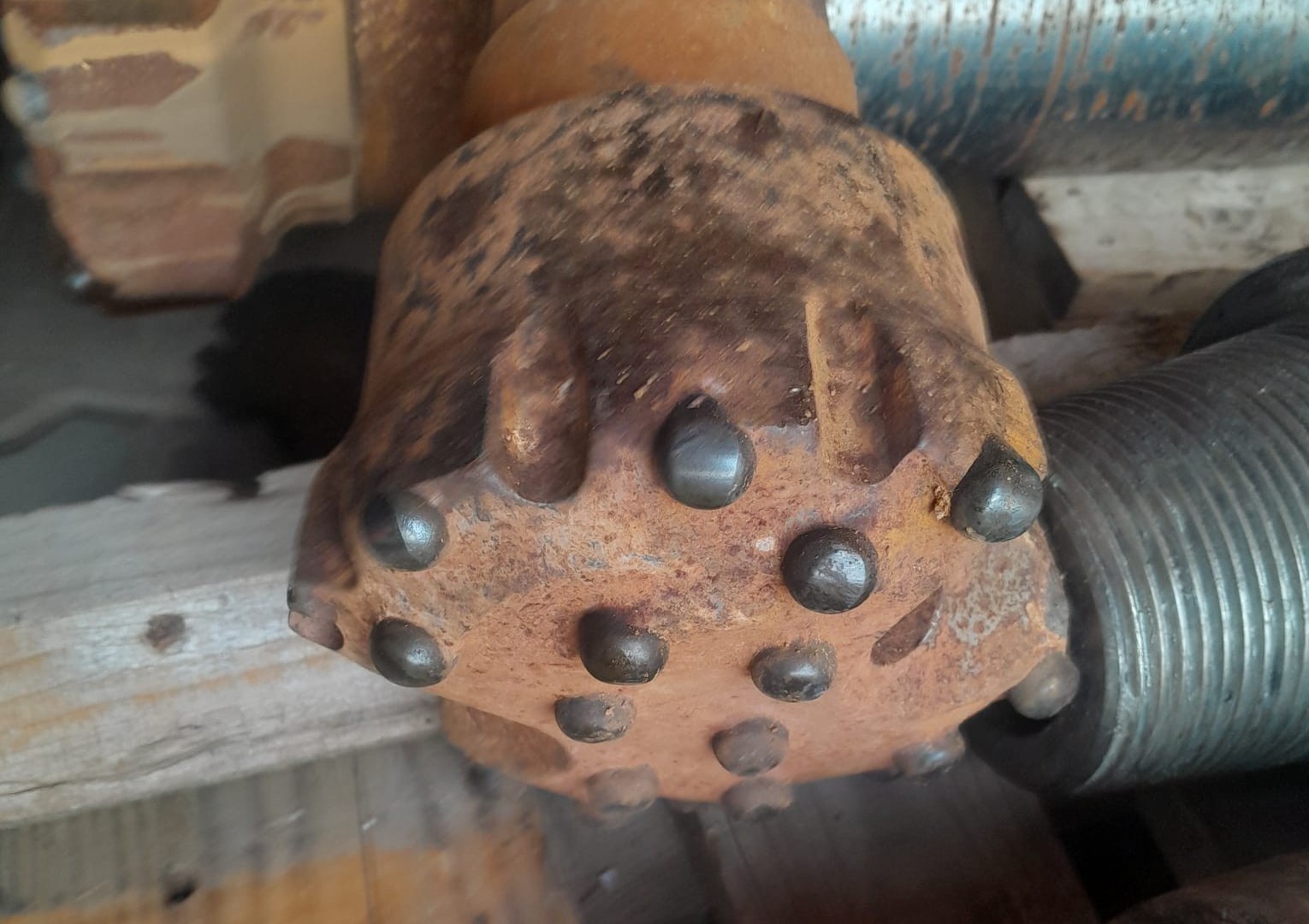
Understanding these six variables allows drilling professionals to accurately set and adjust air pressure for optimal performance across any project or site condition.

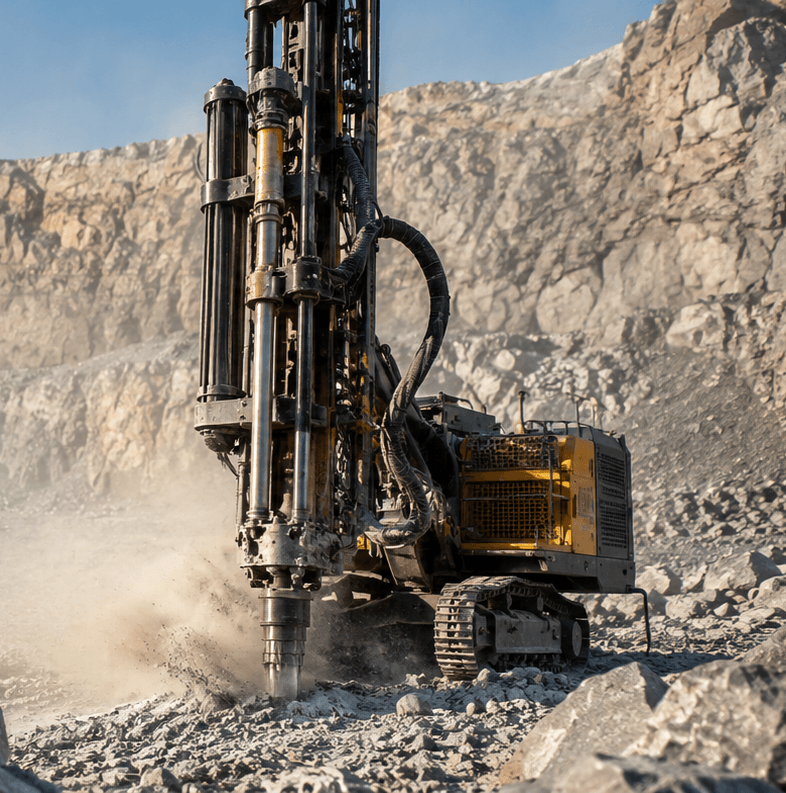
Regular inspection and maintenance are critical factors in maintaining consistent air delivery

01

The compressor supplies compressed air to the DTH hammer. Selecting the right compressor to match the hammer’s air pressure and volume requirements is critical. A high-quality, well-matched compressor maintains consistent delivery throughout the drilling process — preventing fluctuations that degrade efficiency and performance. Undersized compressors are one of the most common causes of underperforming DTH operations.

02

Both altitude and temperature directly affect air density, which in turn affects available air energy. CFM or m³/min adjustments must be accounted for when drilling at elevation. As altitude increases, air density decreases — requiring more pressure to achieve the same drilling performance. Ambient temperature has a parallel effect: hot air is less dense, cold air more dense.

Altitude Example

Operating at 10,000 ft (3,000 m) at 40°F (4.4°C) requires approximately 50% more energy than at sea level to drill at the same air pressure.

Altitude Example

At sea level, drilling at 100°F (38°C) vs 0°F (-18°C) can require upwards of 20% more air volume at the same nominal pressure setting.

03

As borehole depth increases, air pressure requirements increase to overcome added resistance from the longer annulus, greater cuttings weight, and additional back pressure. Both pressure and volume must be adjusted as drilling progresses deeper to maintain effective hole cleaning and hammer performance. Failure to account for depth progression is a common cause of poor flushing and premature bit wear on deep holes.

04

Drilling under significant heads of water introduces back pressure that the DTH hammer must overcome before effective drilling begins. This back pressure must be calculated and factored into compressor selection and pressure settings.

Water Back Pressure Formula

1 ft (0.30 m) of water = 0.434 psi (0.03 bar) of back pressure

Example: 100 ft (30.5 m) of water in the borehole = 43.4 psi (3 bar) of back pressure to overcome before drilling begins.

Altitude Example

At sea level, drilling at 100°F (38°C) vs 0°F (-18°C) can require upwards of 20% more air volume at the same nominal pressure setting.

Once the water head is overcome, pressure should normalise. High water inflow may necessitate a high-pressure booster compressor to maintain drilling continuity.

= 1 ft water → 0.434 psi back pressure

= 1 m water → 0.1 bar back pressure

05

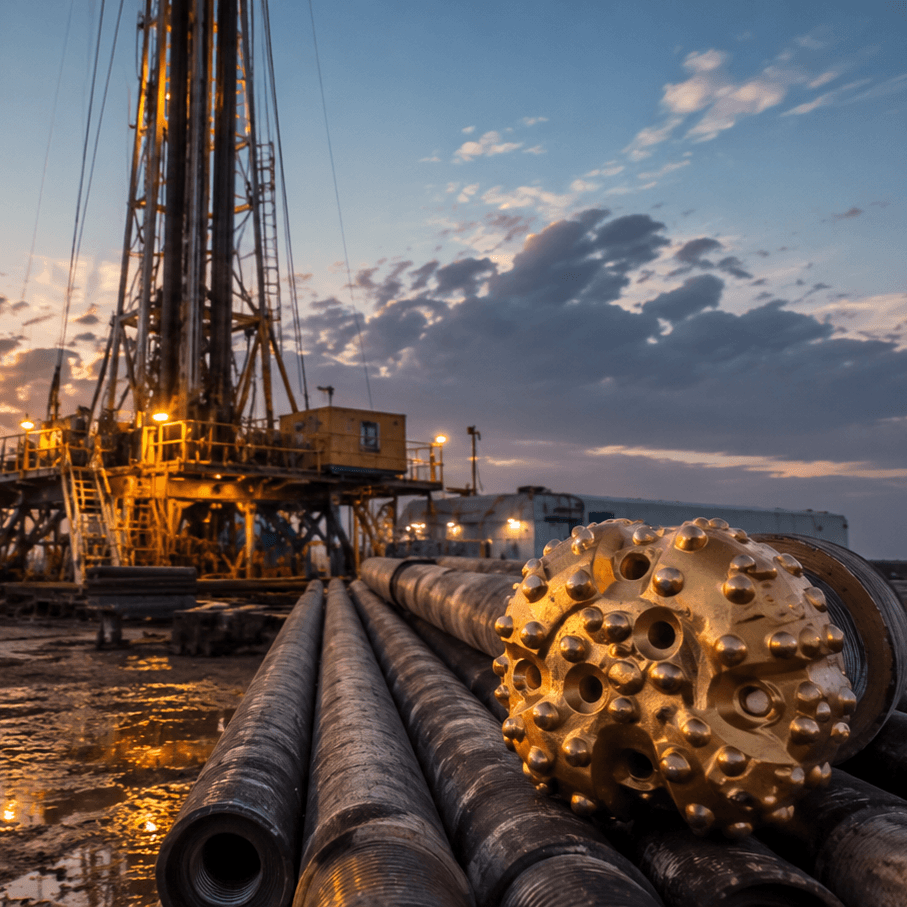
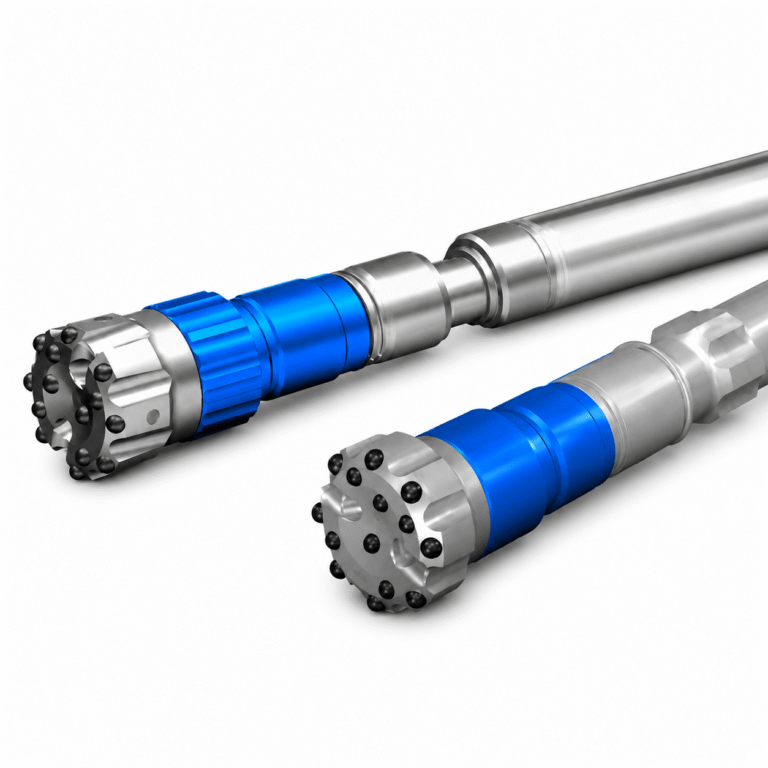
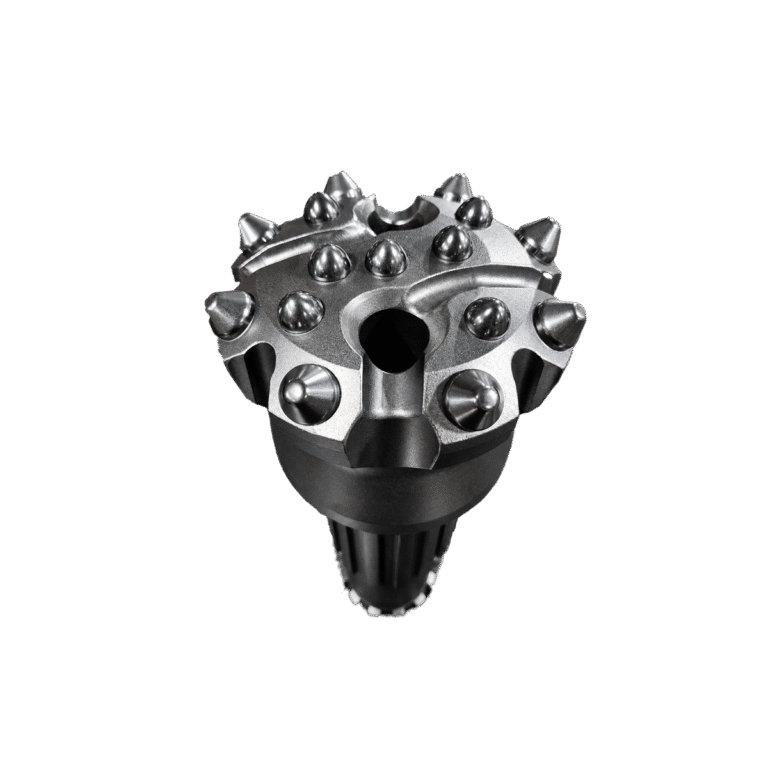
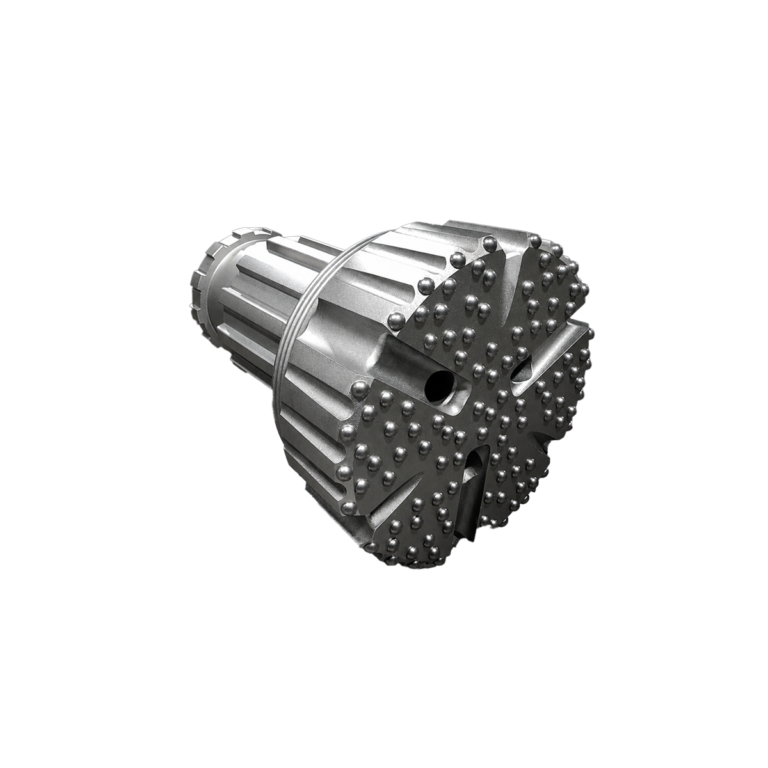
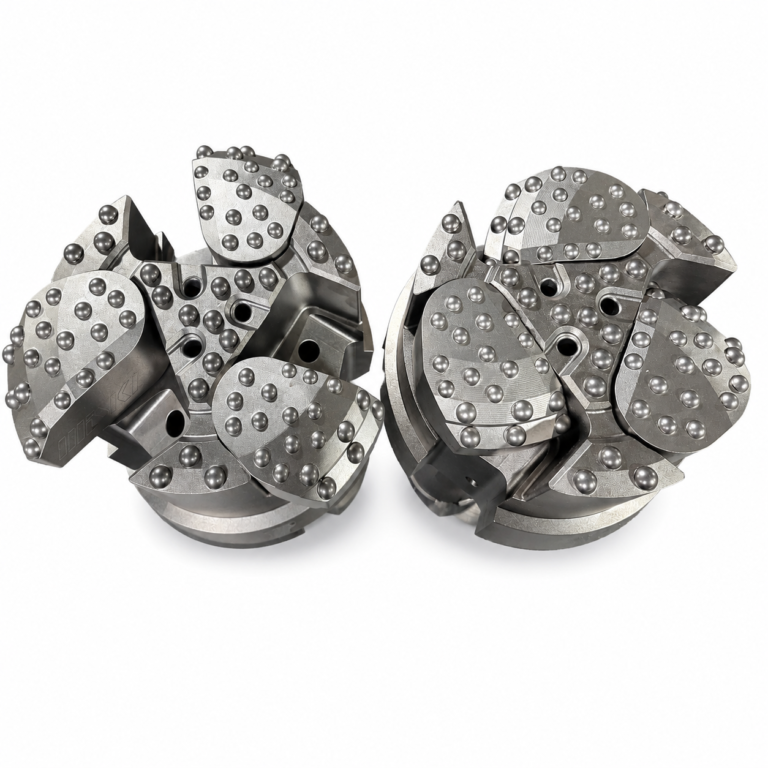
Different DTH bit face designs are engineered for specific drilling conditions, and each carries different air pressure requirements. The concave face is the most common — suited to most conditions, known for straight-hole holding, excellent penetration rates, and efficient flushing. Softer rock formations may not require the same air pressure as a bit designed for hard abrasive rock. Matching bit design to conditions — and then calibrating air pressure accordingly — is essential for optimal output.

06

Leaks in hoses, connectors, or couplings allow air to escape before it reaches the hammer — reducing effective pressure and forcing the compressor to work harder to compensate. The longer the compressed air hose run, the more opportunities for leakage to occur. Regular inspection and maintenance of the entire air delivery system is critical to prevent pressure loss and maintain consistent hammer performance.
Best Practices

Optimising Air Pressure for Maximum Drilling Efficiency

Maximising drilling efficiency requires more than adequate air pressure — it demands a systematic approach to setting, monitoring, and maintaining that pressure throughout the project lifecycle. Here are the three areas that matter most.

Setting the Right Pressure

Optimal pressure depends on rock type, borehole depth, and drill bit design. Drilling professionals should work closely with engineers to determine settings for each of these variables. As a general rule, harder formations and deeper holes require higher pressure — but excessive pressure causes unnecessary equipment wear and increased fuel costs. Finding the right balance is key.

Compressor Maintenance

A robust preventative maintenance schedule is non-negotiable. Daily checks should include: oil level inspection, draining of the receiver tank, leak inspection of hoses and couplings, and monitoring gauges for unusual readings. A well-maintained compressor is the foundation of consistent air delivery — and consistent air delivery is the foundation of efficient DTH performance.

Real-World Result: Limestone Quarry Project

In a recent limestone quarry project, engineers optimised air pressure settings for the specific rock formation and borehole depth profile. The results were measurable and significant — demonstrating that precision air pressure management directly translates to improved project economics.

+30% Penetration Rate Improvement

−15% Fuel Consumption Reduction

Premium DTH Hammer Used

Conclusion

Conclusion — Pressure Drives Performance

Air pressure plays a critical and multifaceted role in optimising DTH drilling performance. By understanding its impact on penetration rates, energy efficiency, and hole cleaning — and by accounting for the six key variables that influence required pressure — drilling professionals can make informed, data-driven decisions that reduce cost, extend tool life, and accelerate project delivery.

For the best results, invest in high-quality DTH drilling tools engineered for reliable, consistent air-driven performance — and in a supplier who understands the full system, from compressor to bit.
Explore Drill King's Full DTH Solutions Range
With over 40 years of manufacturing experience and ISO 9001:2015 certification, Drill King International delivers DTH equipment built to perform consistently across every air pressure regime — from shallow water wells to deep hard-rock blast holes.

Common Questions

Frequently Asked Questions

What is the role of air pressure in DTH drilling?
Air pressure drives the DTH Hammer’s piston, which impacts the drill bit, enabling it to fracture and penetrate rock formations. Air pressure also carries drill cuttings back up the borehole to the surface, keeping the hole clean and the bit working efficiently.
Generally, the higher the air pressure, the greater the impact force of the DTH Hammer and the higher the resulting penetration rate — particularly in hard rock formations such as granite and basalt. However, excessively high Up Hole Velocity (UHV) from over-pressurising can accelerate bit and hammer wear, especially in abrasive rock conditions.
The main factors are: (1) compressor selection and sizing, (2) altitude and ambient temperature at the drill site, (3) borehole depth and the resulting annular back pressure, (4) water head in the borehole, (5) drill bit face design and the rock type being drilled, and (6) the condition of the air delivery system — specifically any leaks in hoses or couplings.
Yes. Excessive air pressure can create unsafe operating conditions and accelerate wear across the entire drill string — particularly on the drill bit and hammer internals. It also increases fuel consumption, raising operating costs without a proportional gain in productivity. Finding the optimal pressure for the specific application is always preferable to simply maximising pressure.
Assess the rock type, planned borehole depth, site altitude, expected water conditions, and the drill bit design you’ll be using. Work with your equipment supplier or a drilling engineer to define the target pressure and volume range for your compressor. Regularly maintain the compressor and inspect the air delivery system to prevent leaks and pressure fluctuations throughout the project.
Explore Drill King's Full DTH Solutions Range
Contact Drill King International’s sales team for expert guidance on compressor sizing, hammer selection, and optimising air pressure for your project.

Drill King is proud to be ISO 9001:2015 certified as of September 2017 — giving further credibility to our commitment to world-class quality and continual improvement in every product we manufacture.
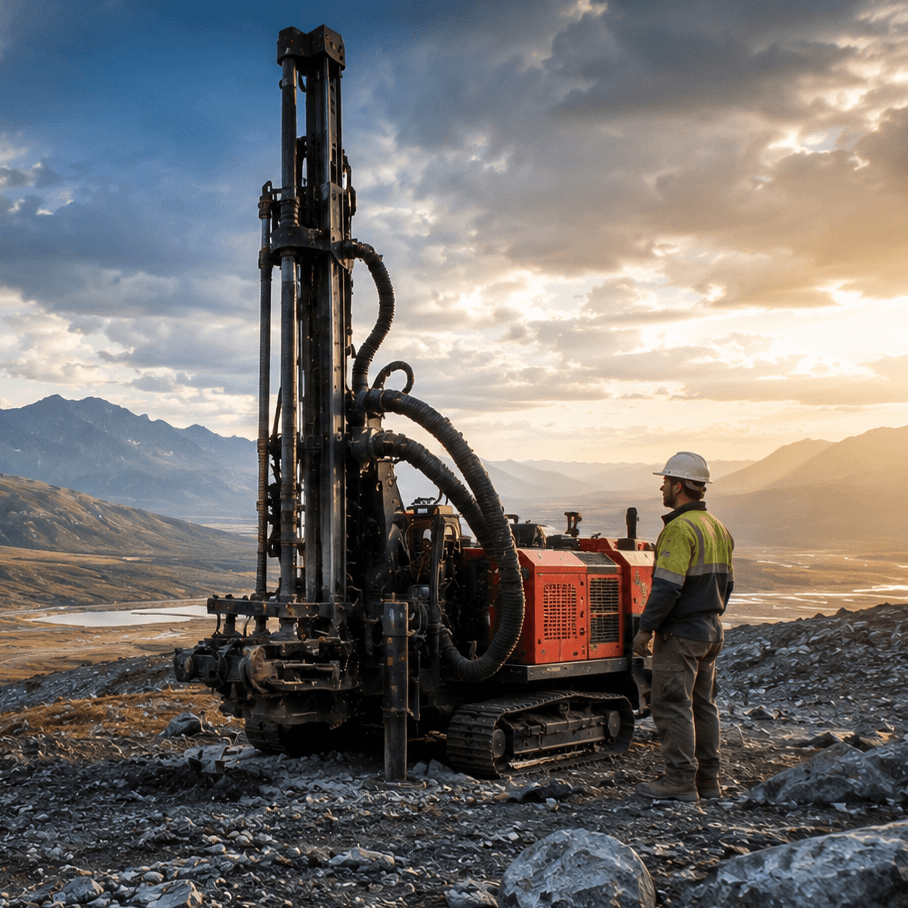
Table of Contents

"Air pressure is not just fuel for the hammer — it's the control variable for the entire borehole."

Air pressureNeed Help Sizing Your Compressor?

Our technical team can calculate the right air pressure and volume for your rock type, depth, altitude, and bit selection.

Free Resource

Driller Cheat Sheets

Our technical team can calculate the right air pressure and volume for your rock type, depth, altitude, and bit selection.

Related Articles

Urban Geotechnical DTH Drilling

The Introduction In modern construction and infrastructure development, understanding subsurface conditions is essential for safe and durable engineering design. One of the most effective methods for achieving this is with

Read More »

Product Inquiry

Request a Quote

Great! We’ve received your information.

Construction

Built tough enough for the unpredictability of job sites, our equipment minimizes costly downtime and re-drills.

Exploration

Every hole counts, and our tools are built to keep penetration rates high even in unpredictable, mixed formations.

Mining

Engineered for open-pit and underground alike, our tools lower per-meter drilling costs without sacrificing performance.

Oil & Gas

Engineered for the rigors of well-site conditions, our hammers and bits extend service life while reducing per-foot drilling costs.

Quarrying

Less downtime, fewer bit changes, more material moved. That's the Drill King difference for quarry operators who can't afford to slow down.

Water Well & Geothermal

From residential wells to large-scale geothermal fields, our tools are trusted to get the job done right the first time