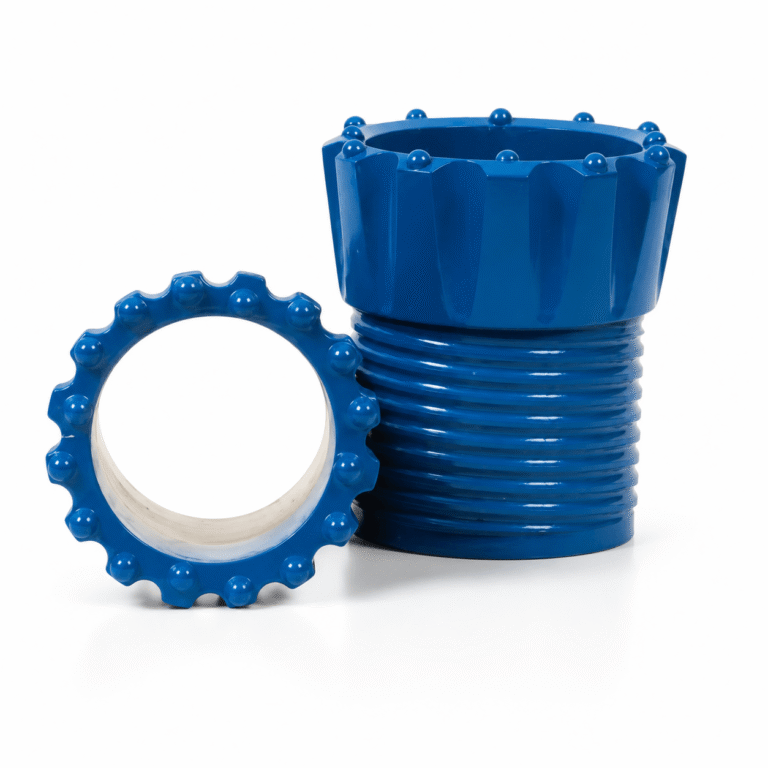
How Air Pressure Works in DTH Drilling
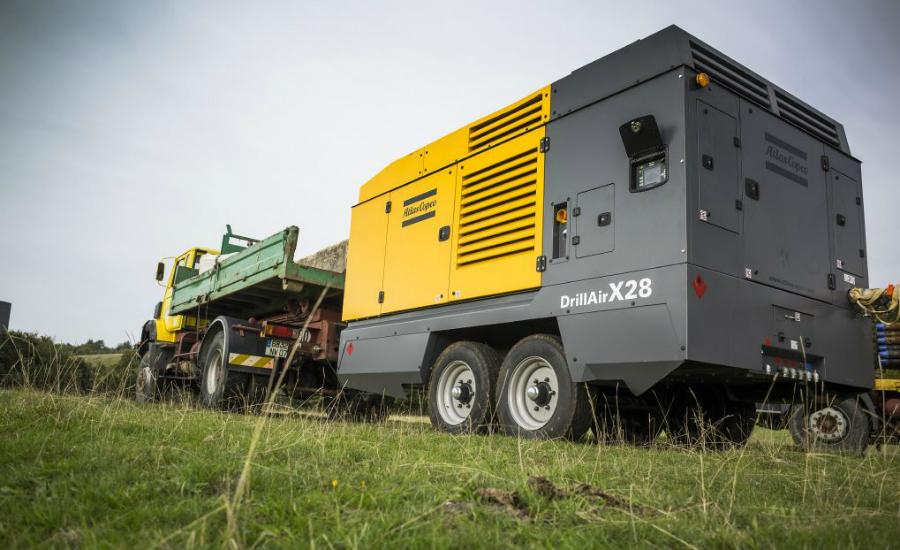
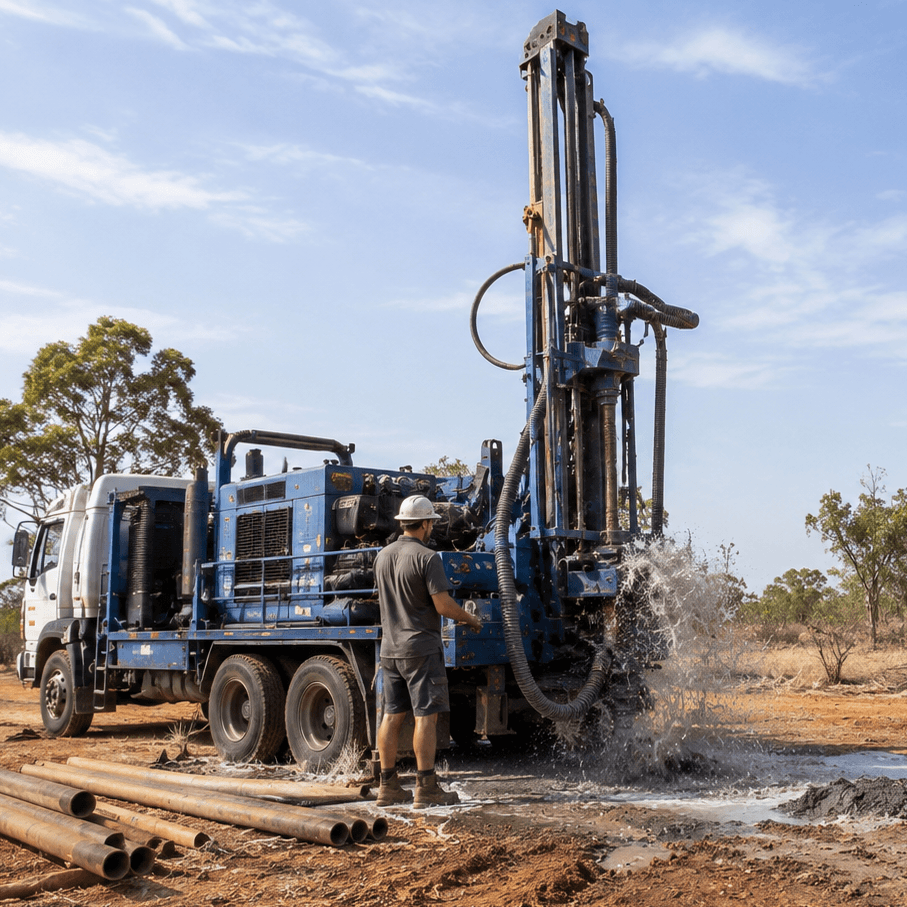
Compressed air supply — the lifeblood of any DTH drilling operation
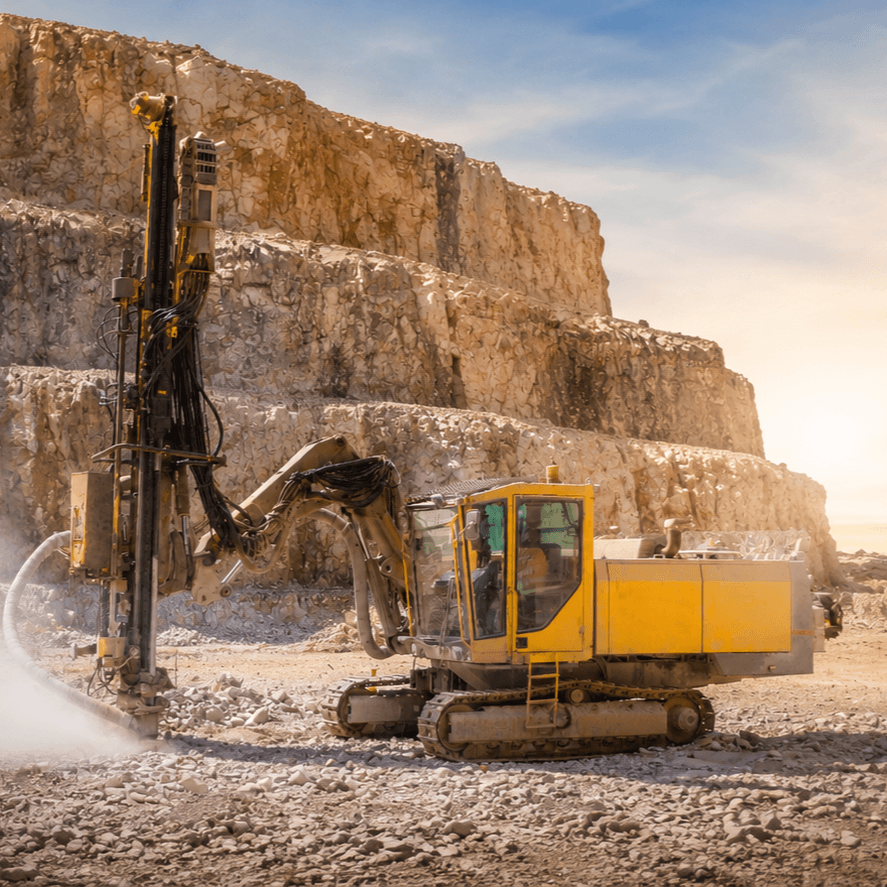
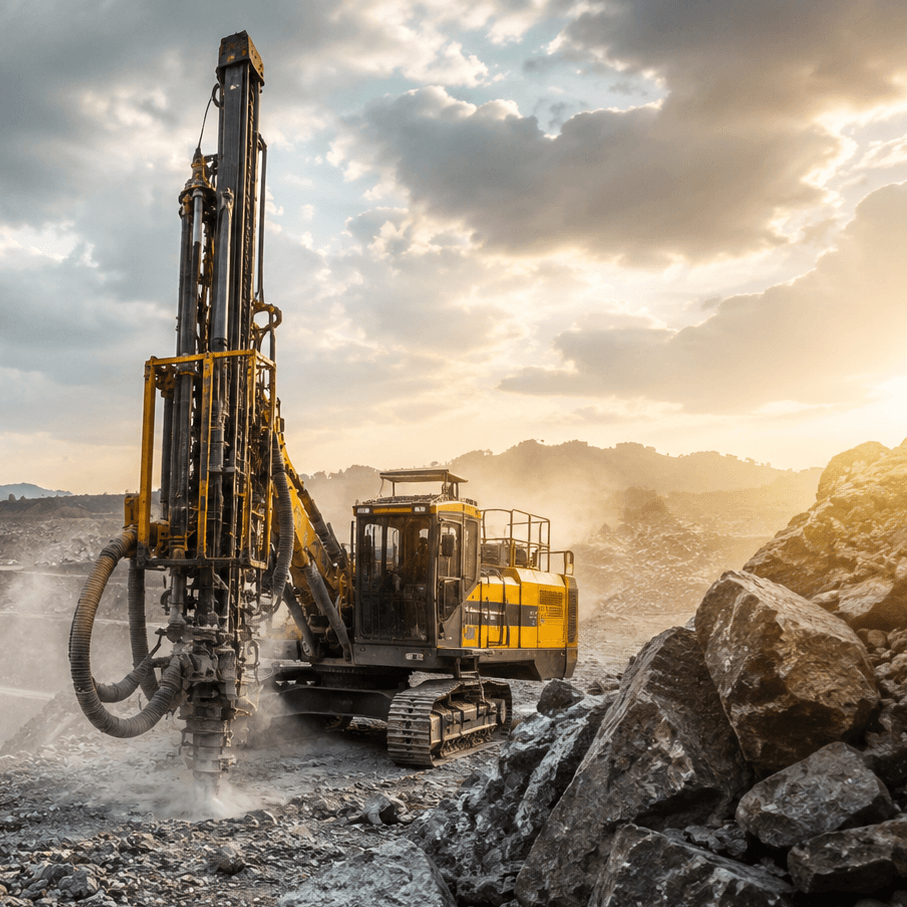
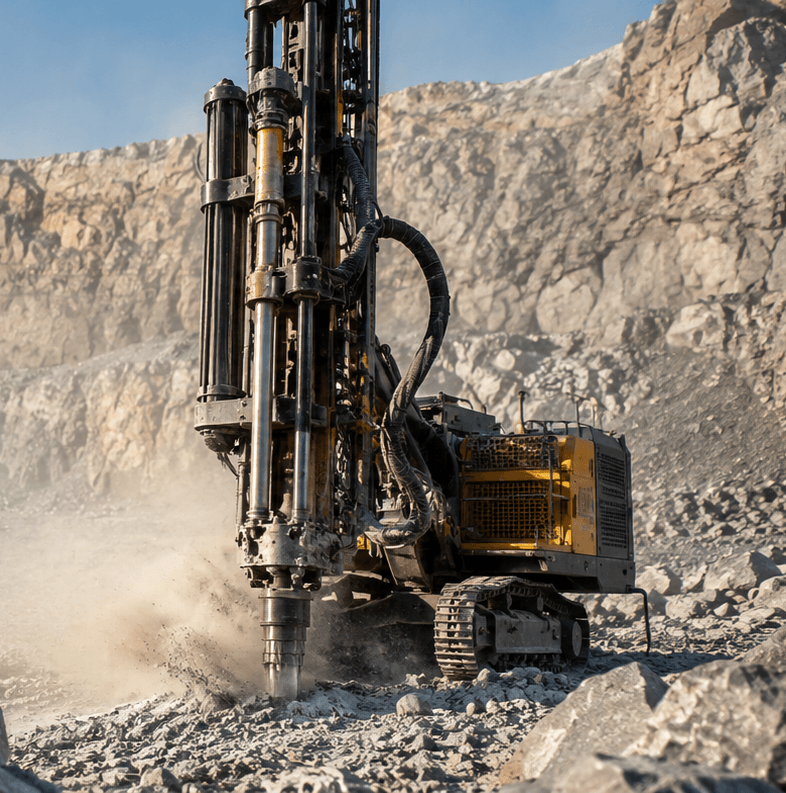
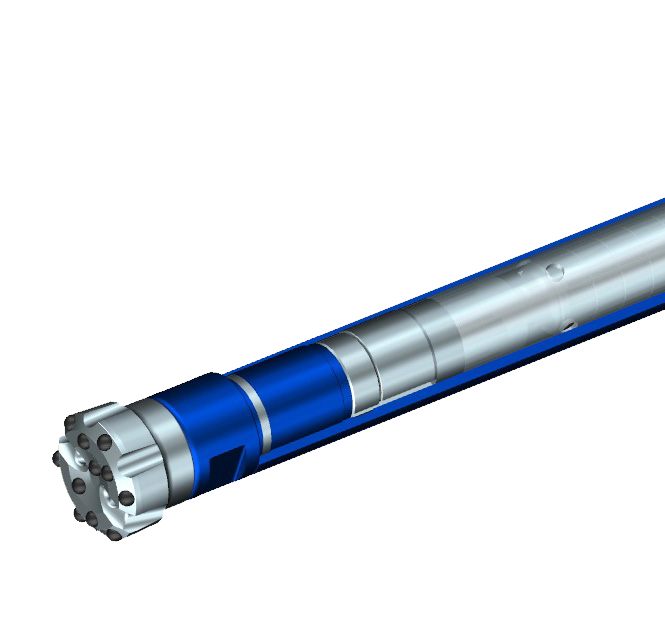
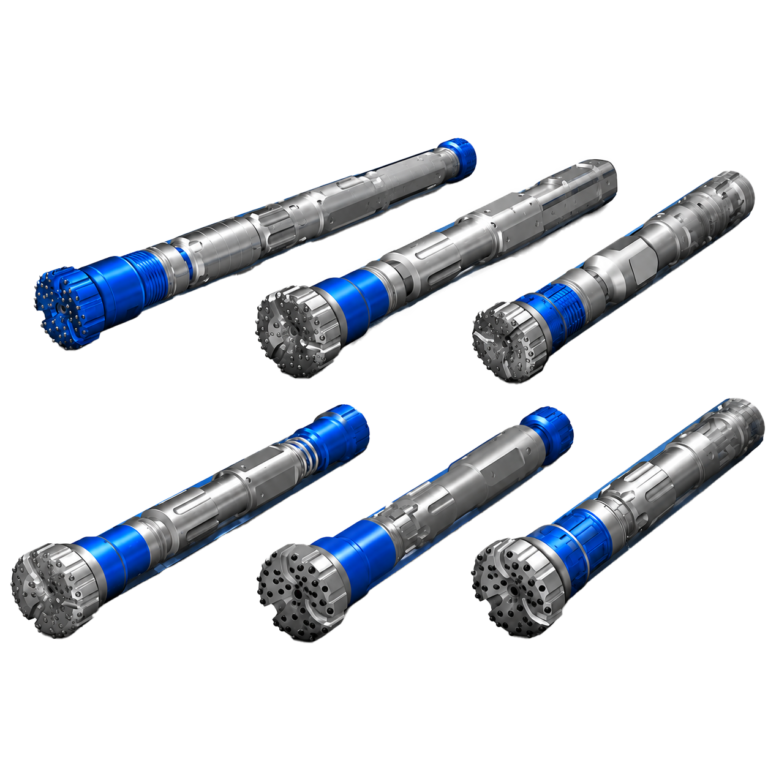
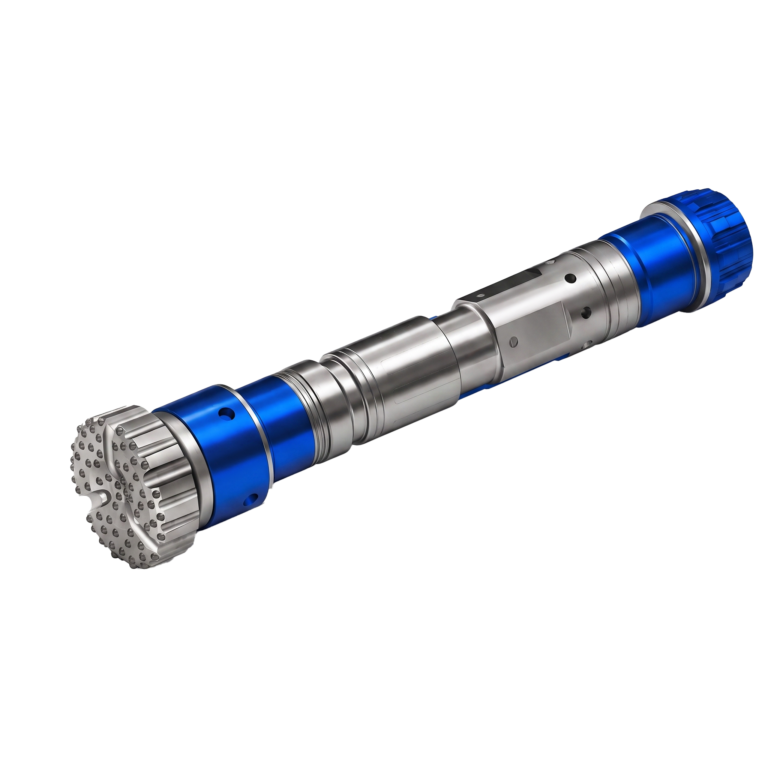
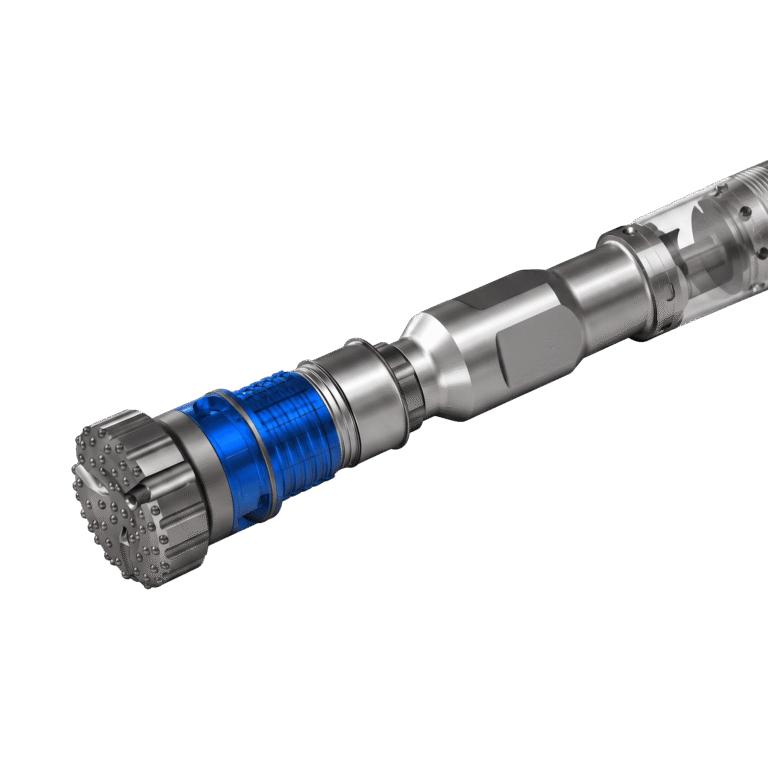
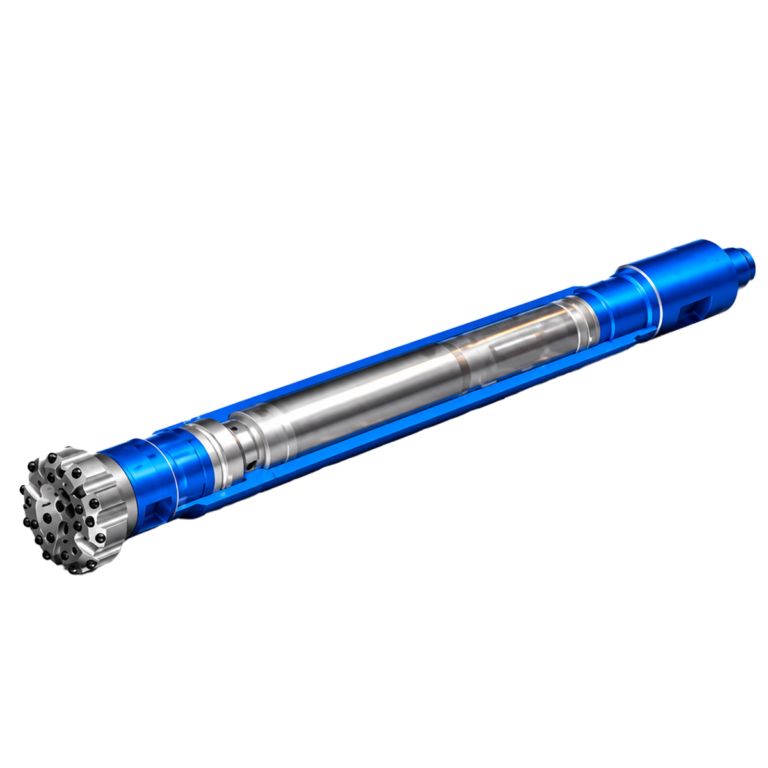
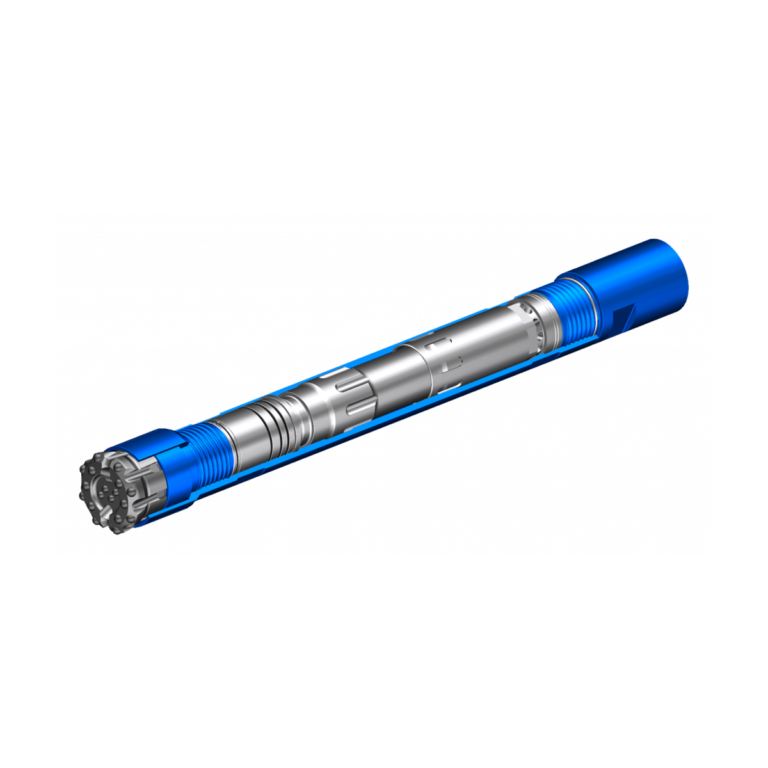
In DTH drilling, compressed air is injected into the hammer, driving a piston in a high-velocity cycle that delivers rapid, powerful impacts directly onto the drill bit. This percussive force is what fractures rock formations, enabling hole penetration. The air pressure — combined with volume — also carries drill cuttings back up the annulus to the surface, keeping the borehole clean.
Air Pressure & Drilling Performance
01
Penetration Rate
02
Energy Efficiency
03
Hole Cleaning
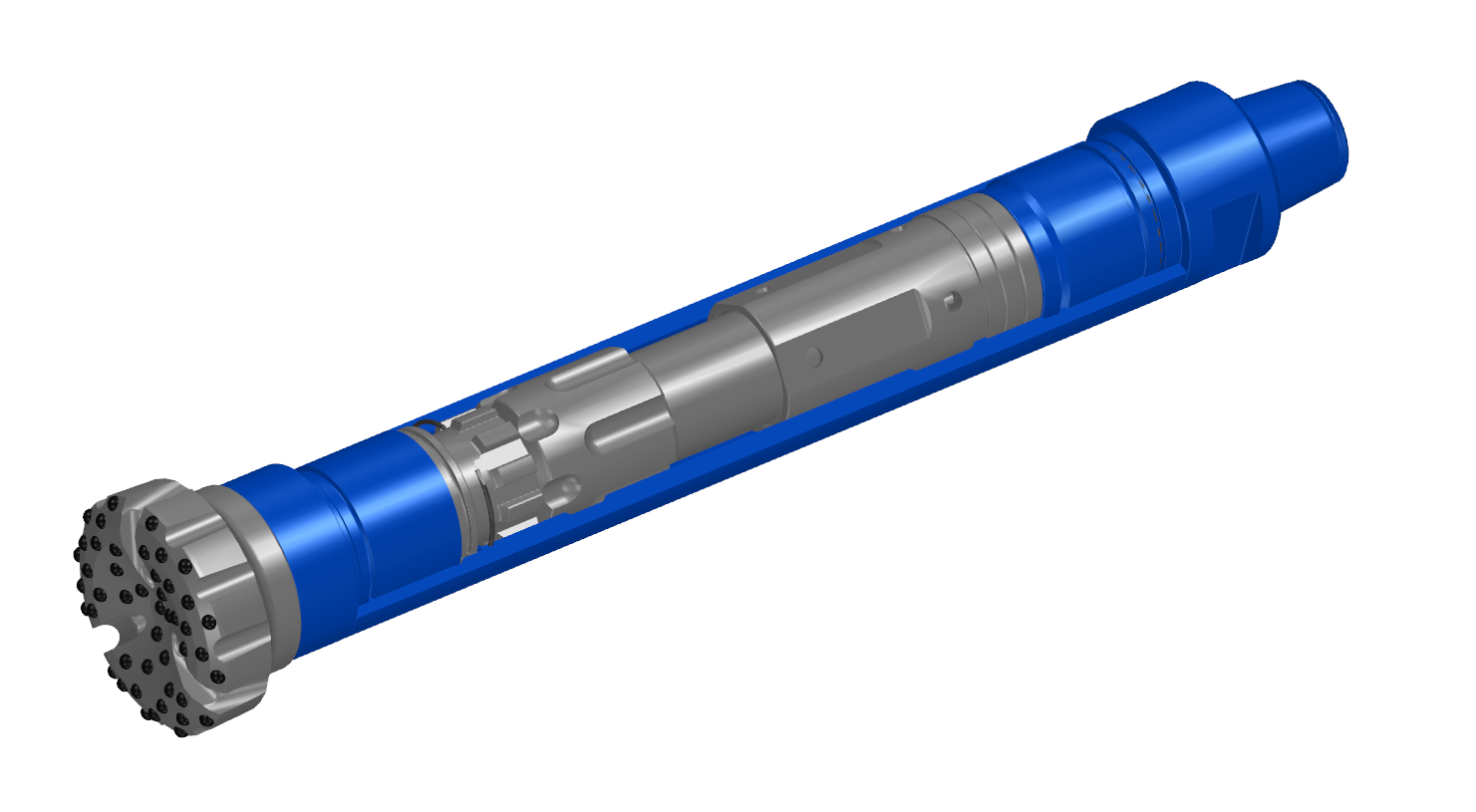
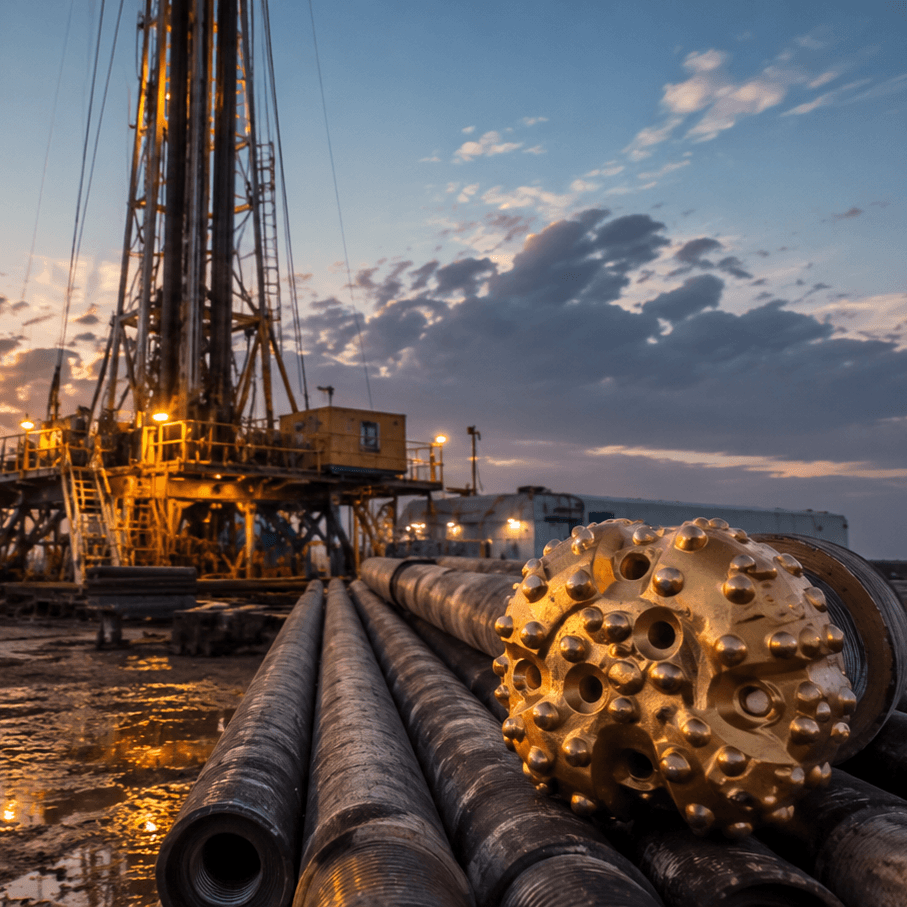
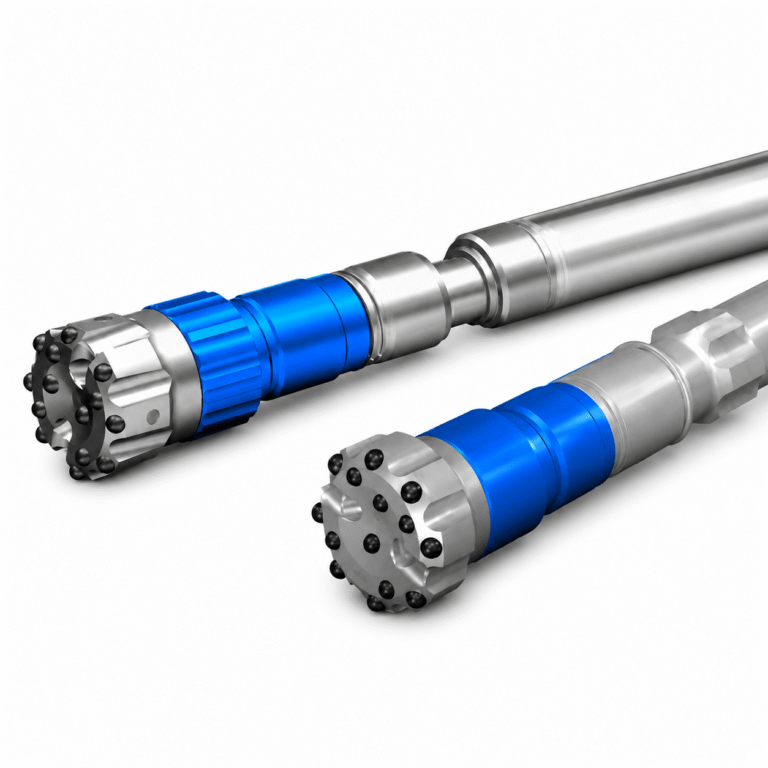
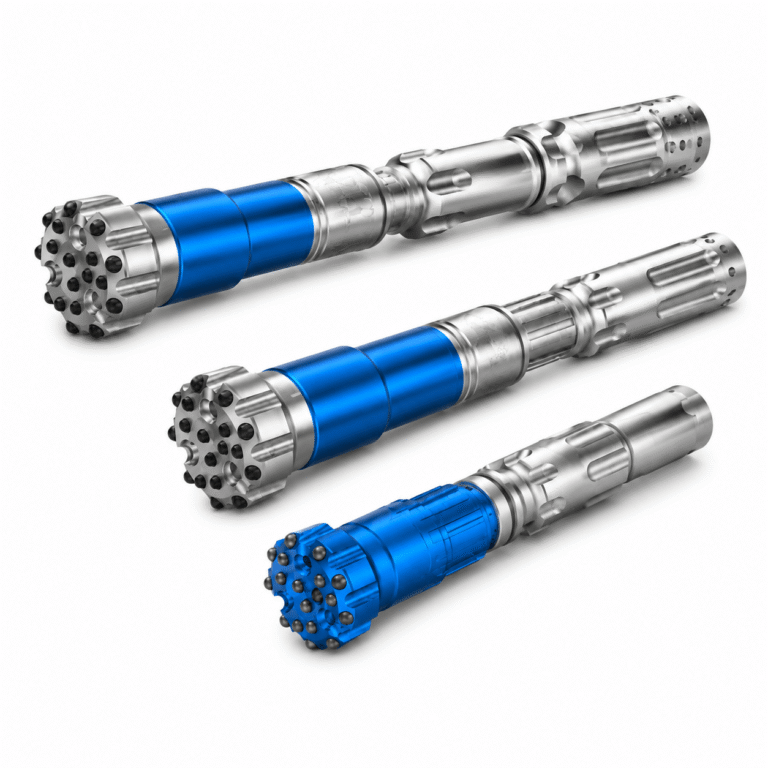
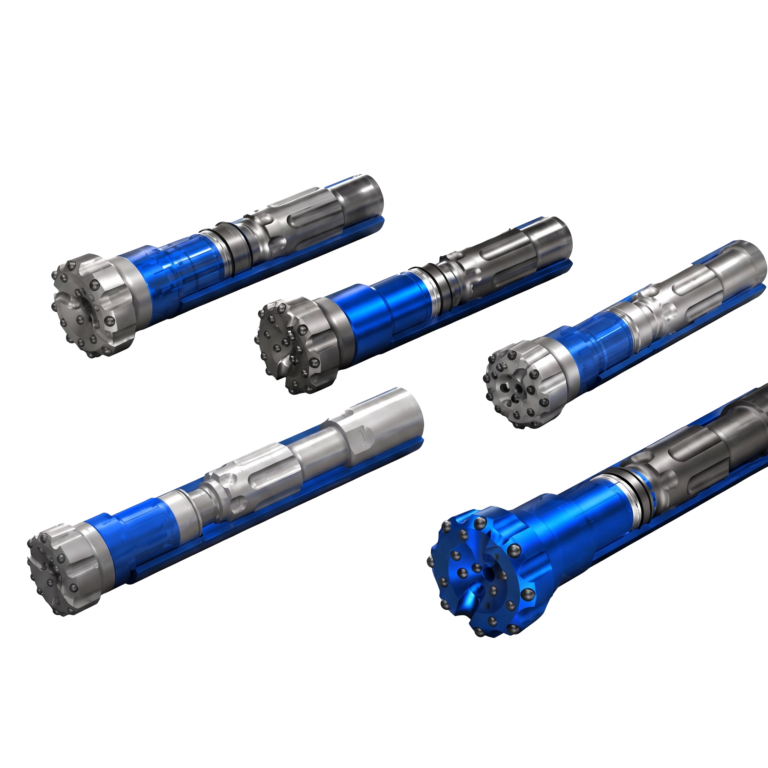
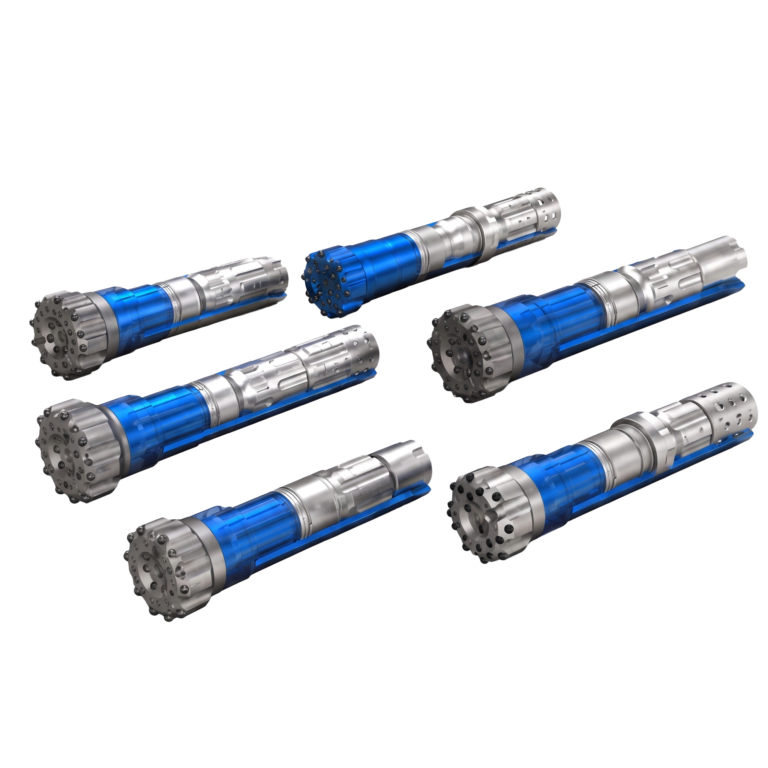
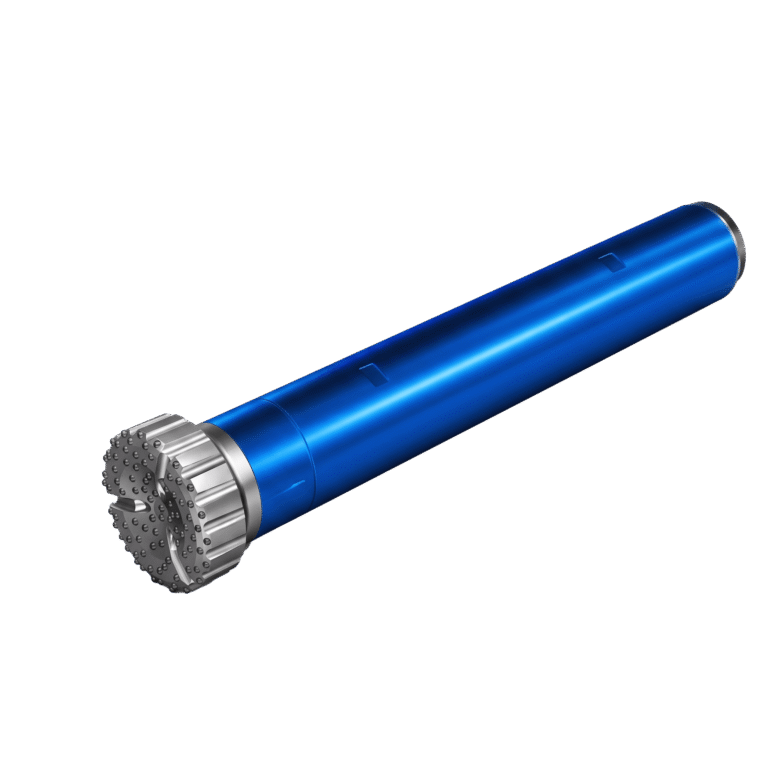
Drill King International DTH hammer — engineered for consistent air-driven performance
Factors Affecting Air Pressure in DTH Drilling
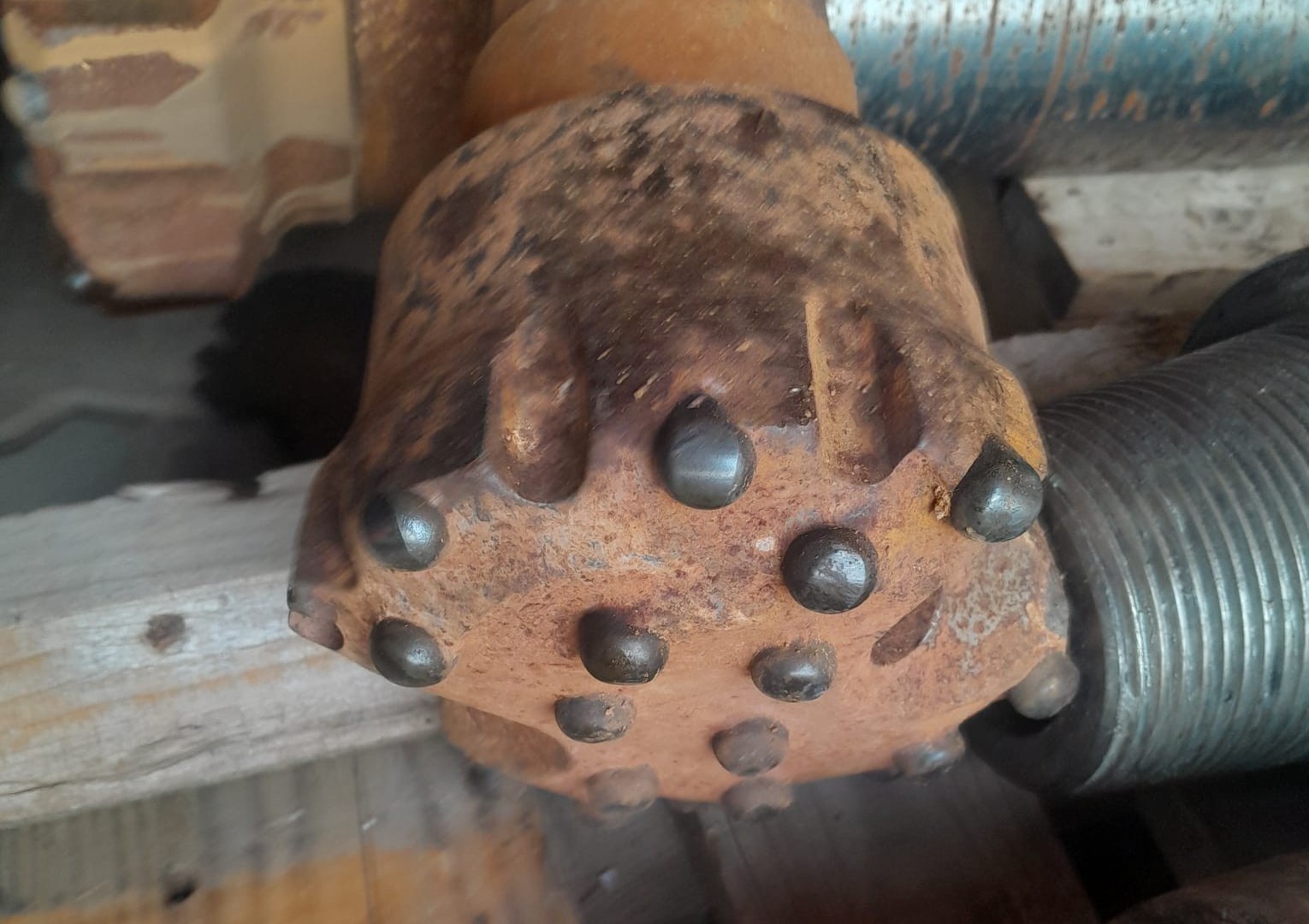
Regular inspection and maintenance are critical factors in maintaining consistent air delivery
01
- Compressor Selection
02
- Altitude & Temperature
Both altitude and temperature directly affect air density, which in turn affects available air energy. CFM or m³/min adjustments must be accounted for when drilling at elevation. As altitude increases, air density decreases — requiring more pressure to achieve the same drilling performance. Ambient temperature has a parallel effect: hot air is less dense, cold air more dense.
Altitude Example
Operating at 10,000 ft (3,000 m) at 40°F (4.4°C) requires approximately 50% more energy than at sea level to drill at the same air pressure.
Altitude Example
At sea level, drilling at 100°F (38°C) vs 0°F (-18°C) can require upwards of 20% more air volume at the same nominal pressure setting.
03
- Hole Depth
04
- Drilling Underwater
Water Back Pressure Formula
1 ft (0.30 m) of water = 0.434 psi (0.03 bar) of back pressure
Example: 100 ft (30.5 m) of water in the borehole = 43.4 psi (3 bar) of back pressure to overcome before drilling begins.
Altitude Example
At sea level, drilling at 100°F (38°C) vs 0°F (-18°C) can require upwards of 20% more air volume at the same nominal pressure setting.
= 1 ft water → 0.434 psi back pressure
= 1 m water → 0.1 bar back pressure
05
- Drill Bit Design
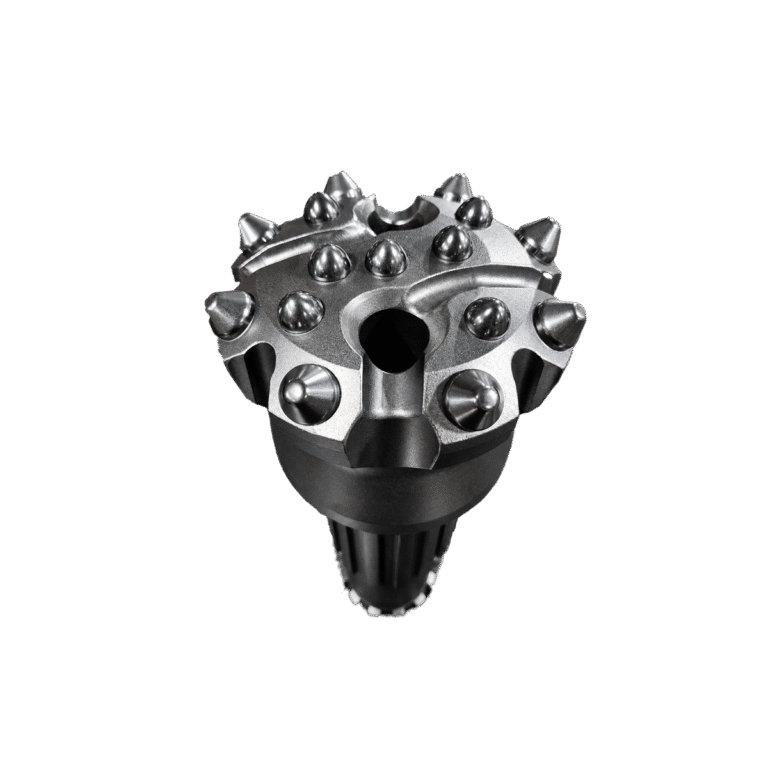
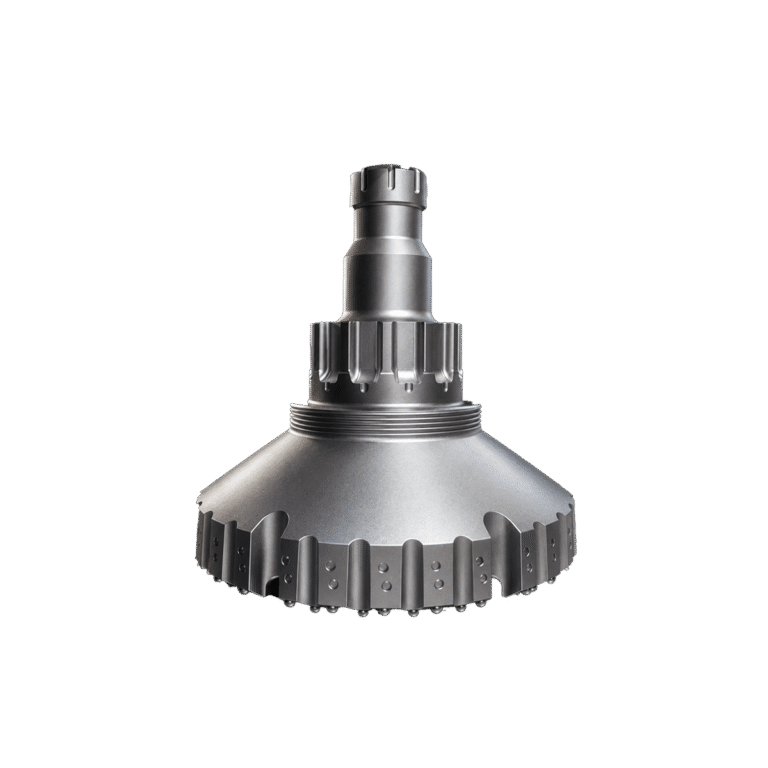
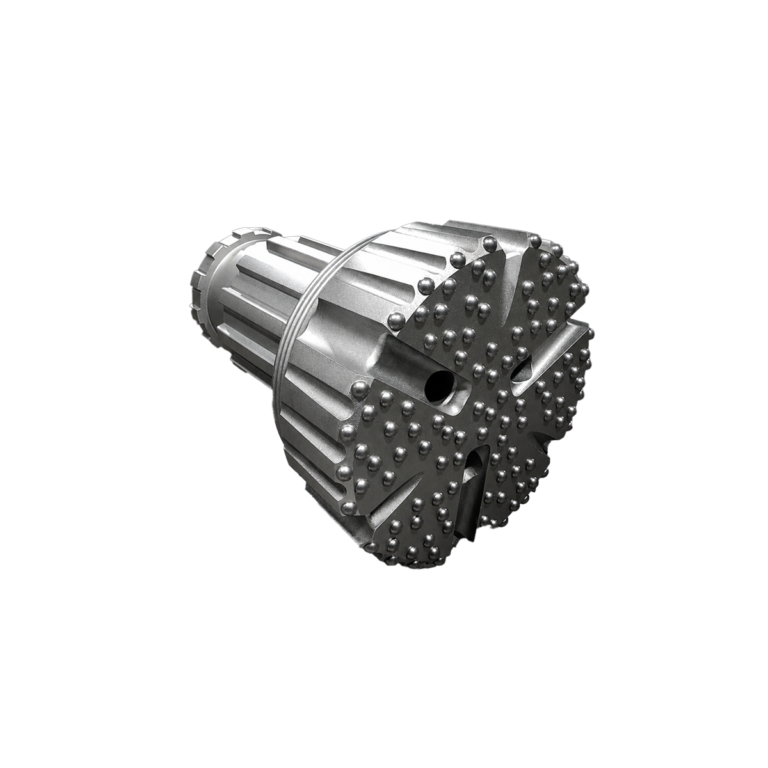
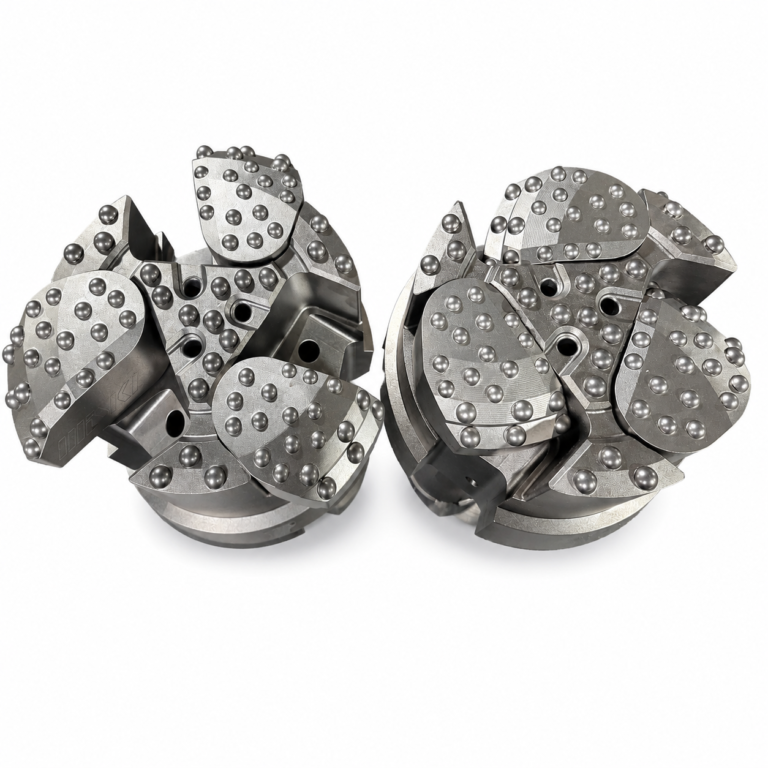
Different DTH bit face designs are engineered for specific drilling conditions, and each carries different air pressure requirements. The concave face is the most common — suited to most conditions, known for straight-hole holding, excellent penetration rates, and efficient flushing. Softer rock formations may not require the same air pressure as a bit designed for hard abrasive rock. Matching bit design to conditions — and then calibrating air pressure accordingly — is essential for optimal output.
06
- Air Leakages & Maintenance
Optimising Air Pressure for Maximum Drilling Efficiency
Maximising drilling efficiency requires more than adequate air pressure — it demands a systematic approach to setting, monitoring, and maintaining that pressure throughout the project lifecycle. Here are the three areas that matter most.
Setting the Right Pressure
Optimal pressure depends on rock type, borehole depth, and drill bit design. Drilling professionals should work closely with engineers to determine settings for each of these variables. As a general rule, harder formations and deeper holes require higher pressure — but excessive pressure causes unnecessary equipment wear and increased fuel costs. Finding the right balance is key.
Compressor Maintenance
A robust preventative maintenance schedule is non-negotiable. Daily checks should include: oil level inspection, draining of the receiver tank, leak inspection of hoses and couplings, and monitoring gauges for unusual readings. A well-maintained compressor is the foundation of consistent air delivery — and consistent air delivery is the foundation of efficient DTH performance.
Real-World Result: Limestone Quarry Project
+30% Penetration Rate Improvement
−15% Fuel Consumption Reduction
Premium DTH Hammer Used
Conclusion — Pressure Drives Performance
Air pressure plays a critical and multifaceted role in optimising DTH drilling performance. By understanding its impact on penetration rates, energy efficiency, and hole cleaning — and by accounting for the six key variables that influence required pressure — drilling professionals can make informed, data-driven decisions that reduce cost, extend tool life, and accelerate project delivery.

Explore Drill King's Full DTH Solutions Range
With over 40 years of manufacturing experience and ISO 9001:2015 certification, Drill King International delivers DTH equipment built to perform consistently across every air pressure regime — from shallow water wells to deep hard-rock blast holes.
- DTH High-Efficiency Air Hammers (2"–24")
- DTH Shock Absorbers (3"–24")
- WAI Water Driven Hammers (3"–12")
- DTH Button Bits (70mm–1,067mm)
- Casing Advance Systems (5.5"–36")
- Full Range of Ancillary DTH Accessories
Frequently Asked Questions
What is the role of air pressure in DTH drilling?
How does air pressure affect penetration rate in DTH drilling?
What factors influence the required air pressure in DTH drilling?
Can using too much air pressure damage DTH drilling tools?
How can I optimise air pressure for my DTH drilling project?
Explore Drill King's Full DTH Solutions Range
Drill King is proud to be ISO 9001:2015 certified as of September 2017 — giving further credibility to our commitment to world-class quality and continual improvement in every product we manufacture.