
The Introduction
‘Down hole’ Casing advance drilling systems (CAS) are a critical part of modern drilling operations, revolutionizing how construction foundations, water wells and Geothermal energy wells are drilled. In this guide, we’ll dive into the essential components, benefits, and applications of these advanced systems.
Casing advancement systems allow for simultaneous casing drilling in difficult ground conditions such as unconsolidated and loose gravels. Operations can be more streamlined with improved results. Hole collapse is minimized with the overall drilling time and costs reduced. These systems are designed for a wide range of industries where efficiency, safety, and cost-effectiveness are paramount.
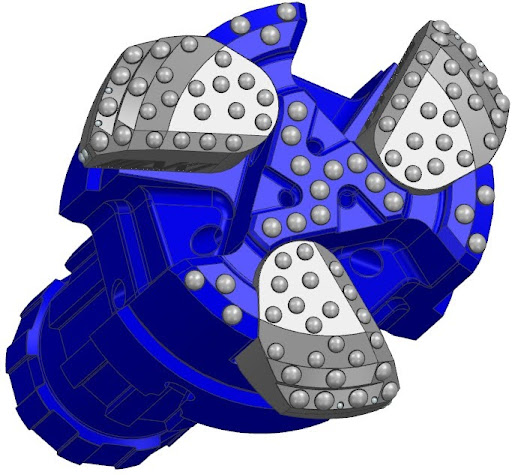
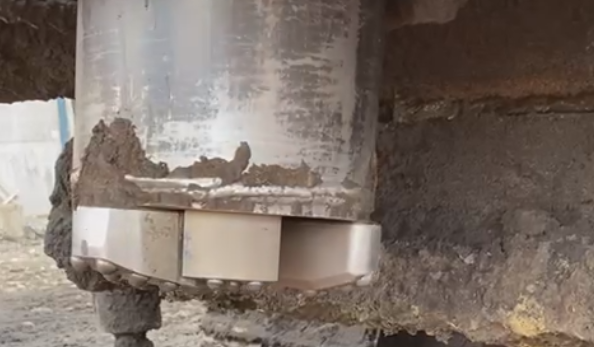
What is a Casing Advancement Drilling System?
A casing drilling system combines the traditional drilling process with the casing procedure. It allows casing to be drilled and inserted into the ground simultaneously, eliminating the need for multiple operations.
How Casing Drilling Works
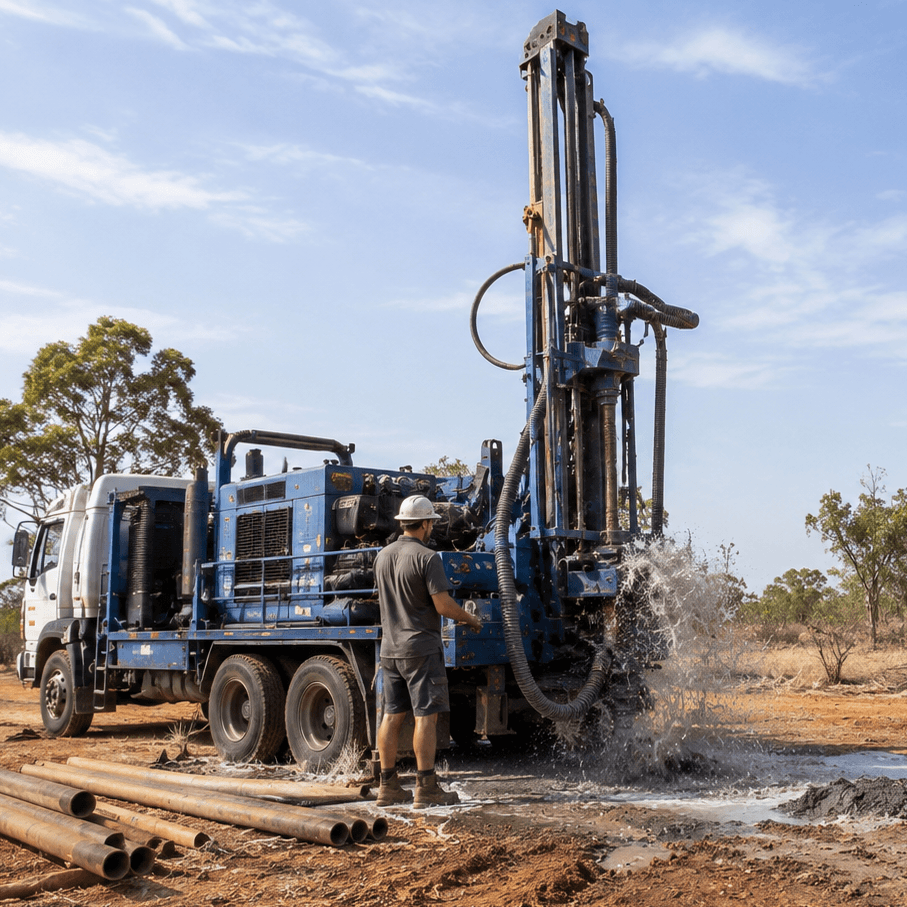
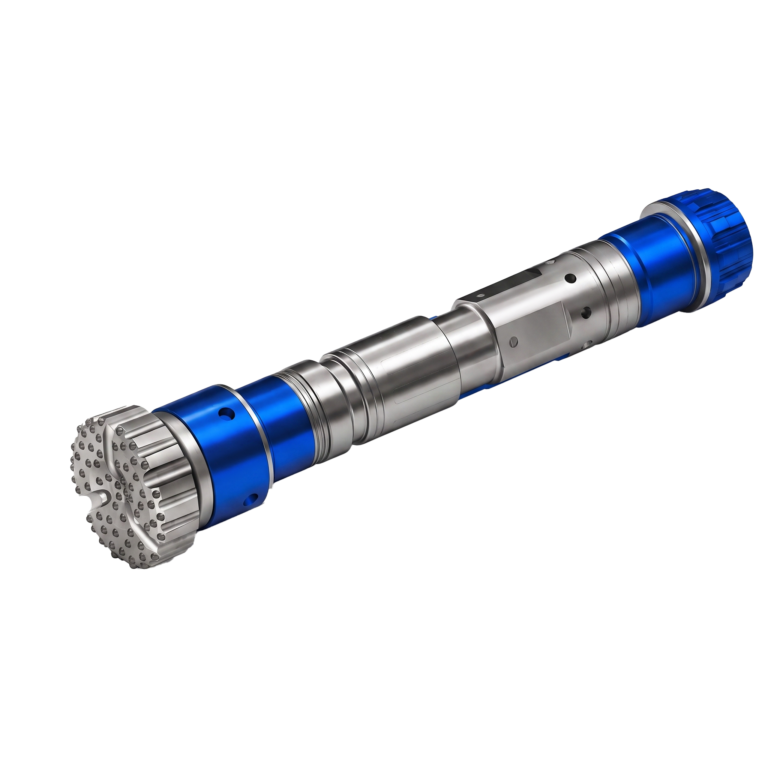
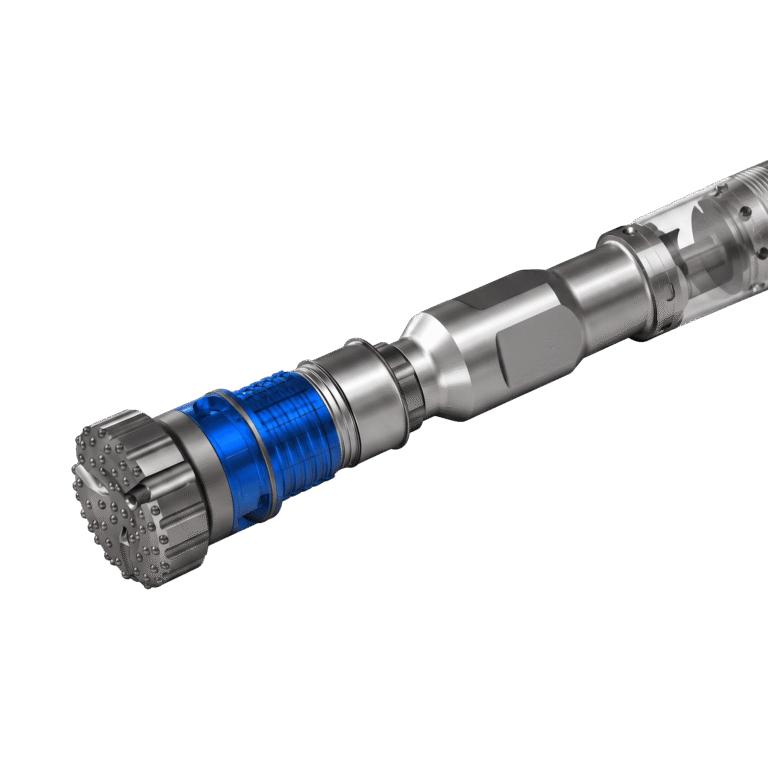
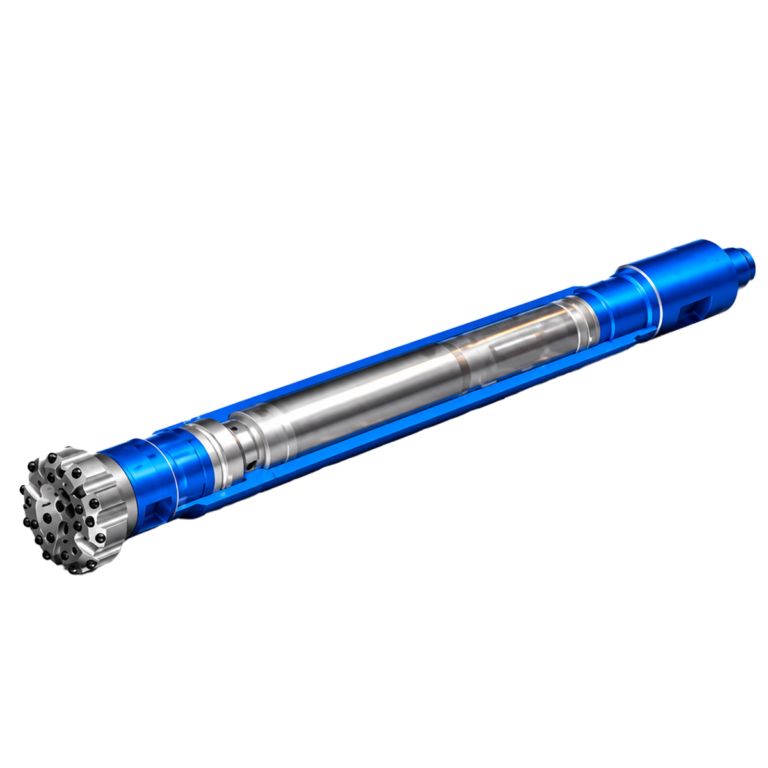
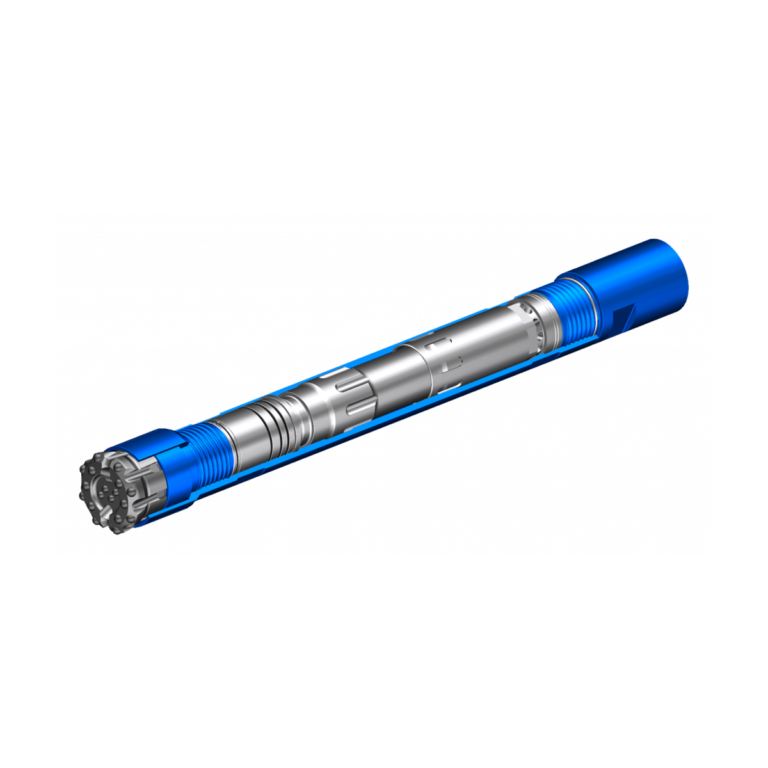
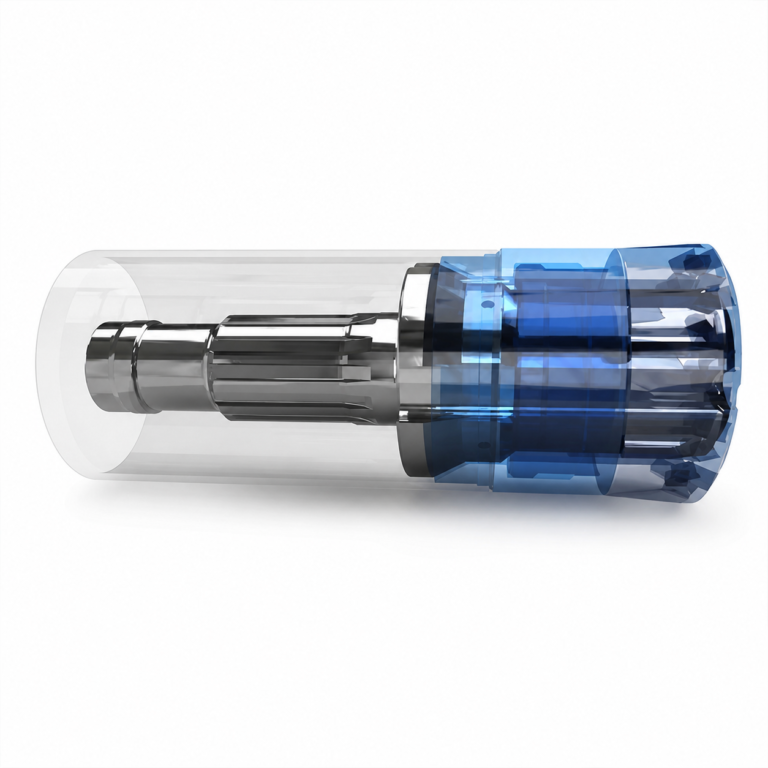
Casing drilling systems employ a specialized casing drill bit which is located in front of a DTH hammer, which drills into the ground while simultaneously placing a casing in the hole. The system is designed to drill through difficult and sometimes challenging ground formations while preventing the hole from collapsing.
Advantages Over Traditional Methods
Traditionally, drilling and casing operations were performed separately typically using top hammer drilling method and inserting the casing after the hole was drilled. This was a time consuming process and much less efficient especially when drilling into hard rock. Today’s casing drilling systems streamline these processes, resulting in faster operations, reduced formation damage, and fewer complications.
Key Components of a Casing Advancement Drilling System
Understanding the components that make up a typical casing system drill string and is essential to appreciate how it functions. Let’s break down the key elements:
Casing Advancement System
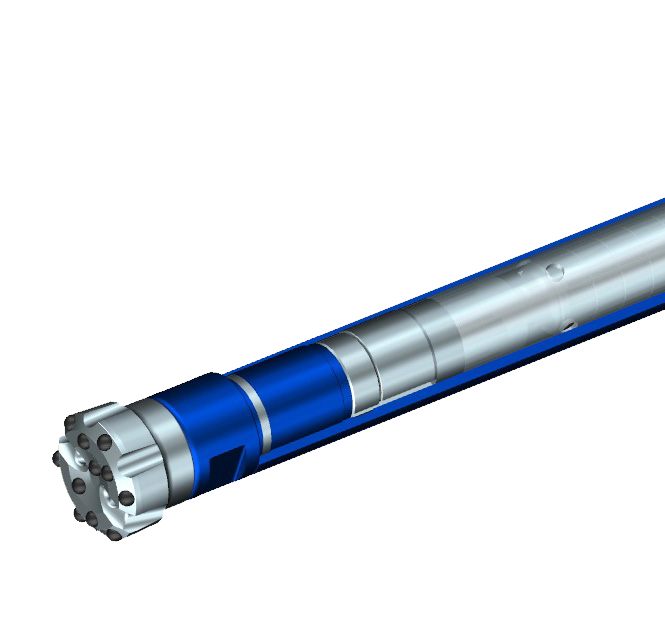
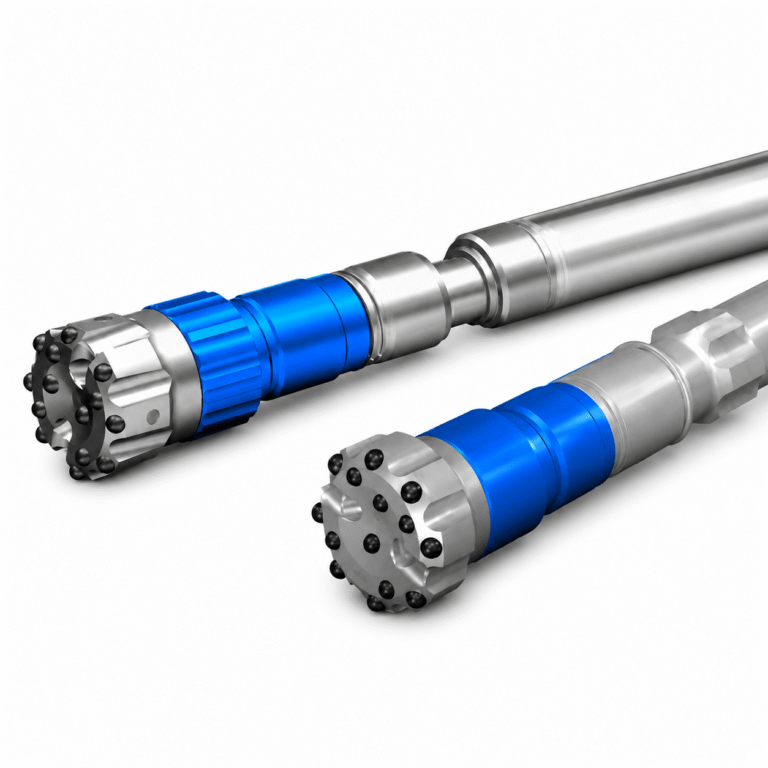
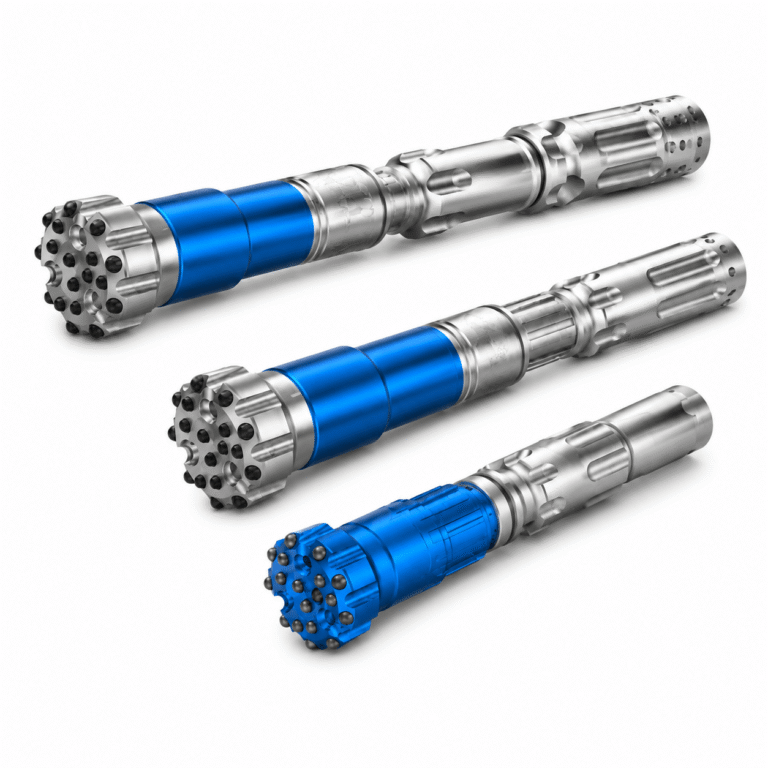
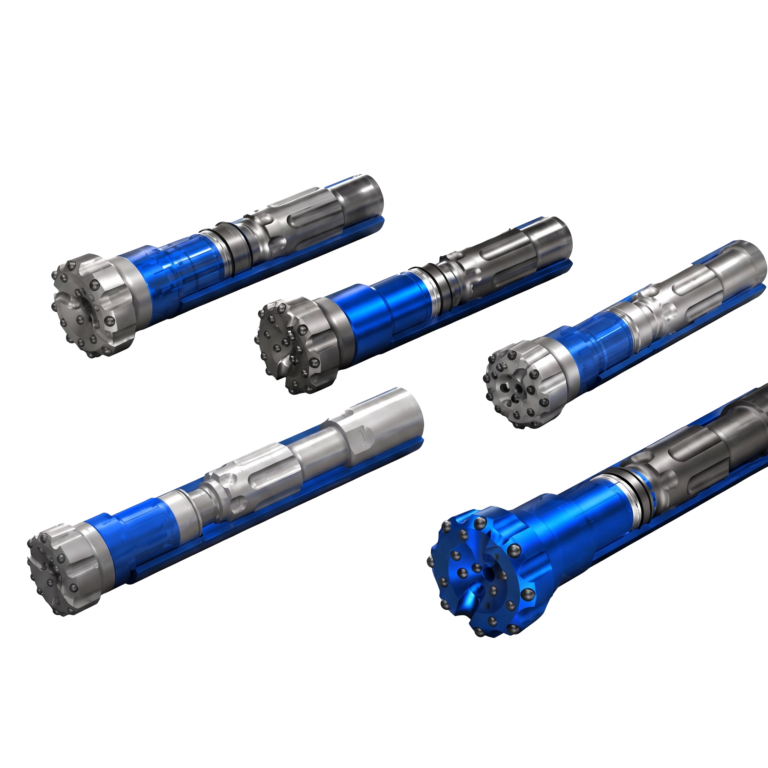
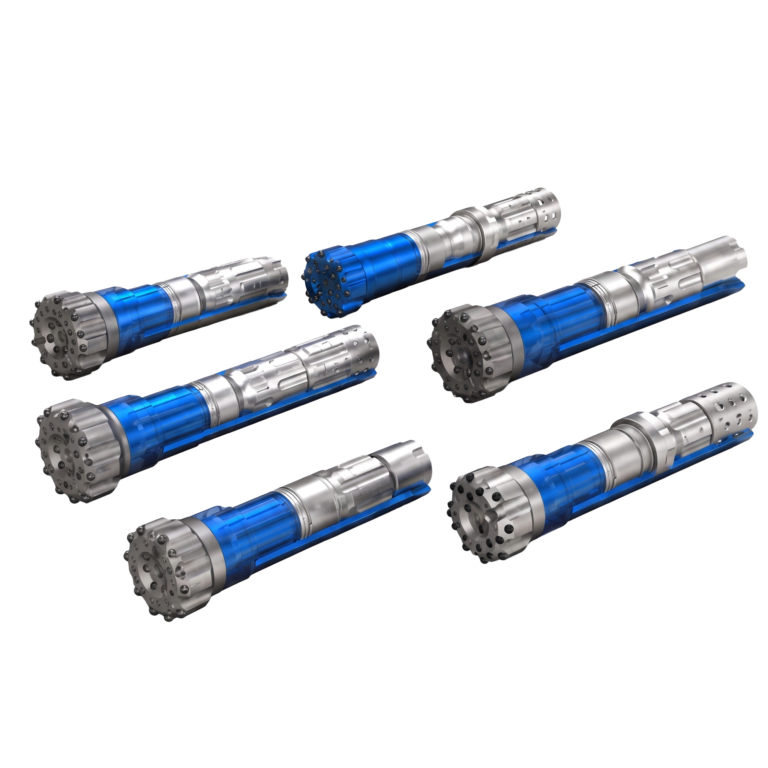
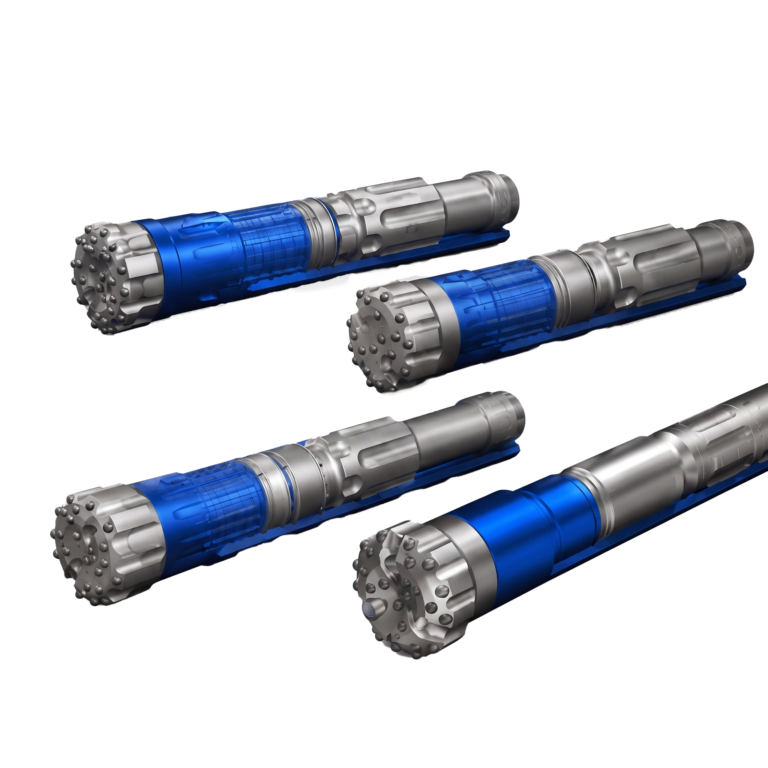
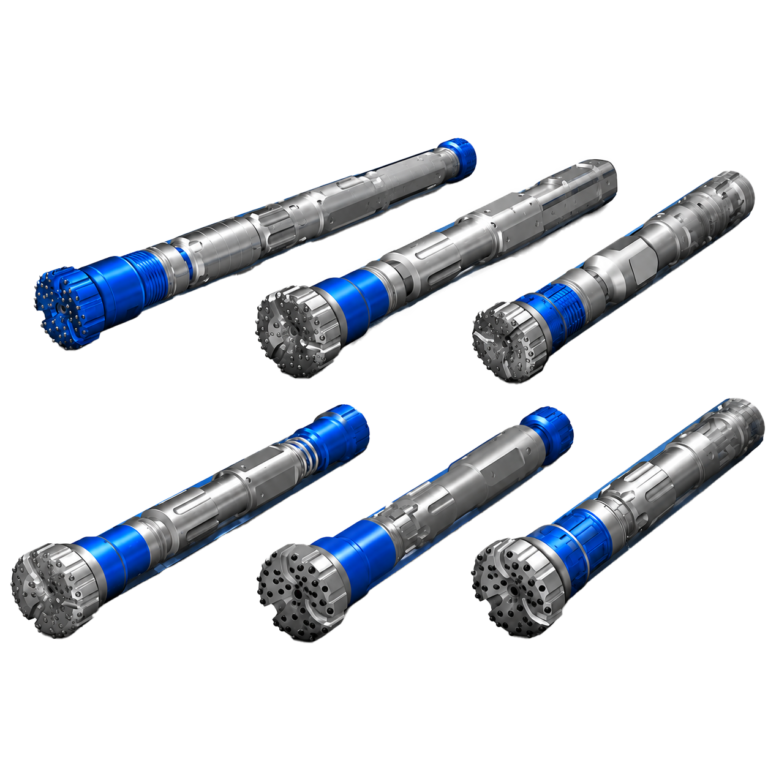
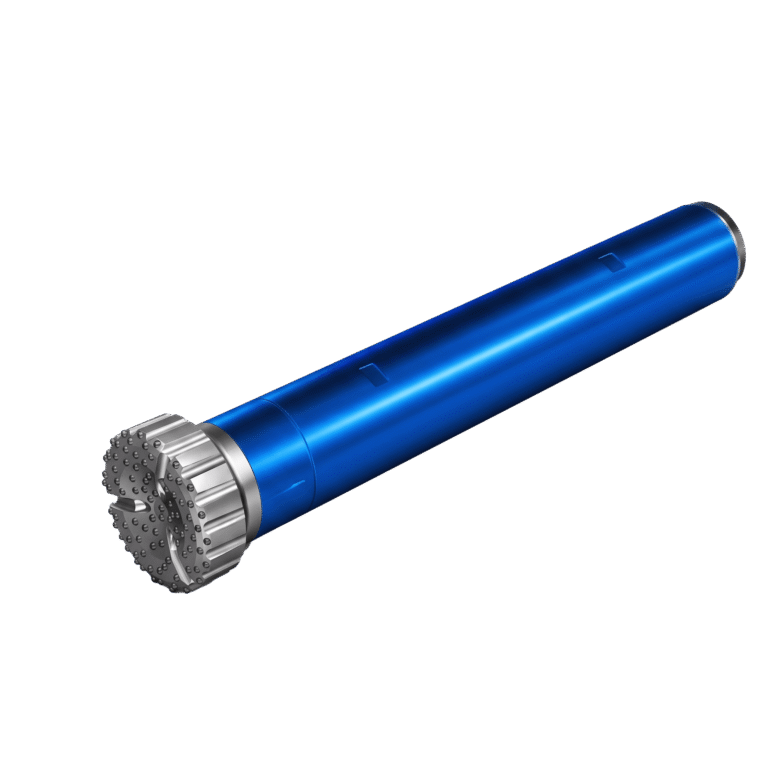
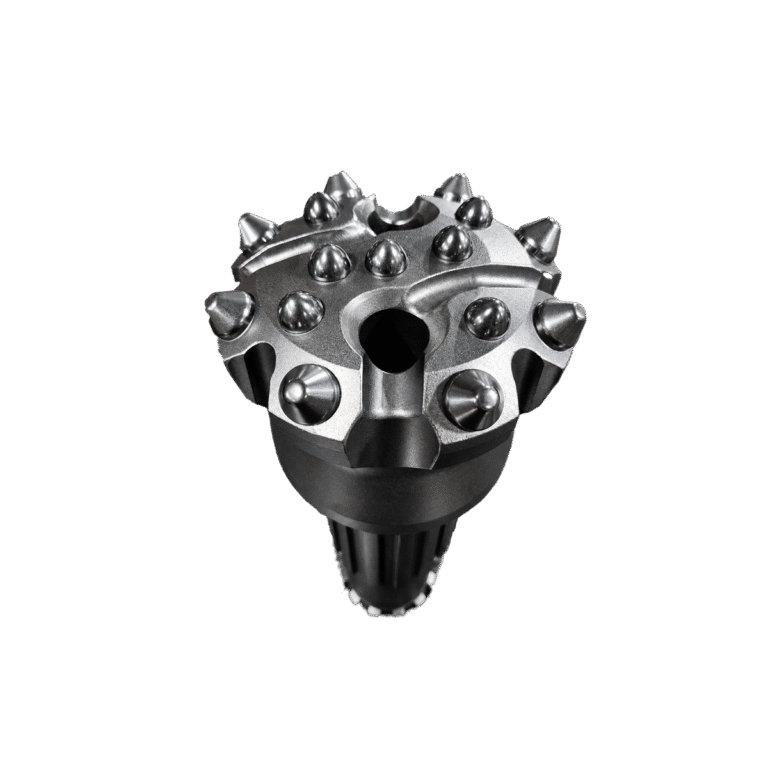
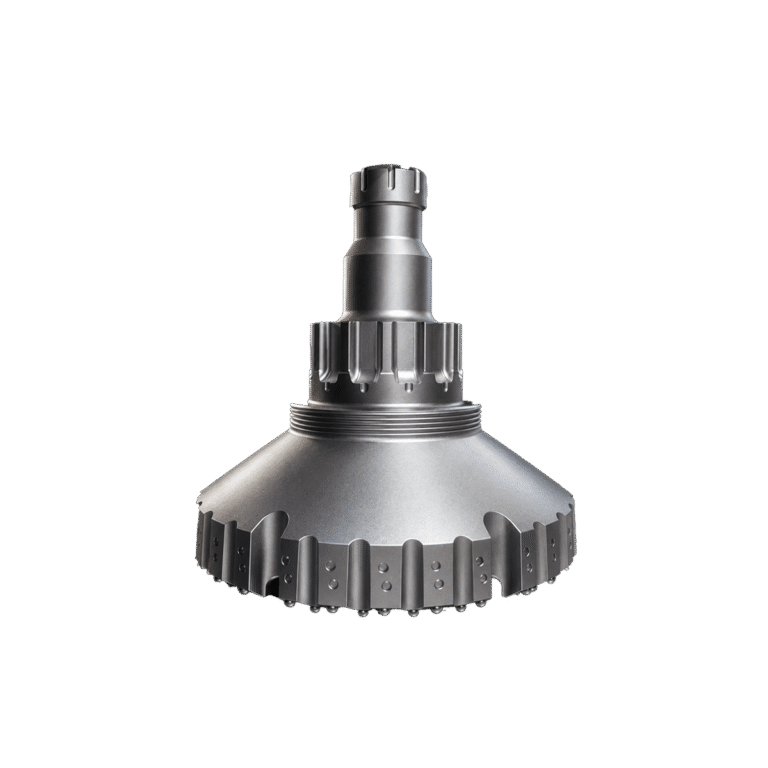
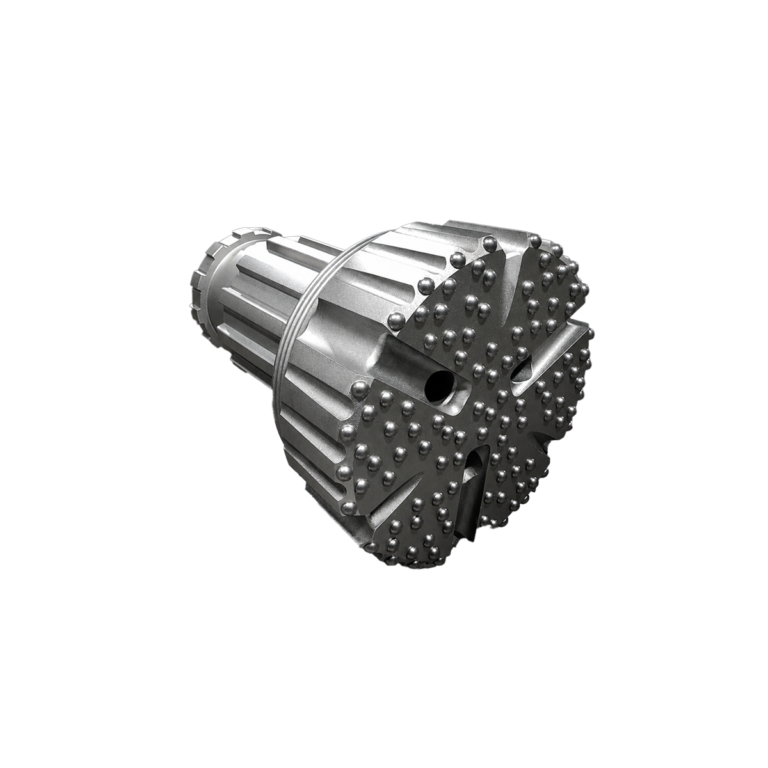
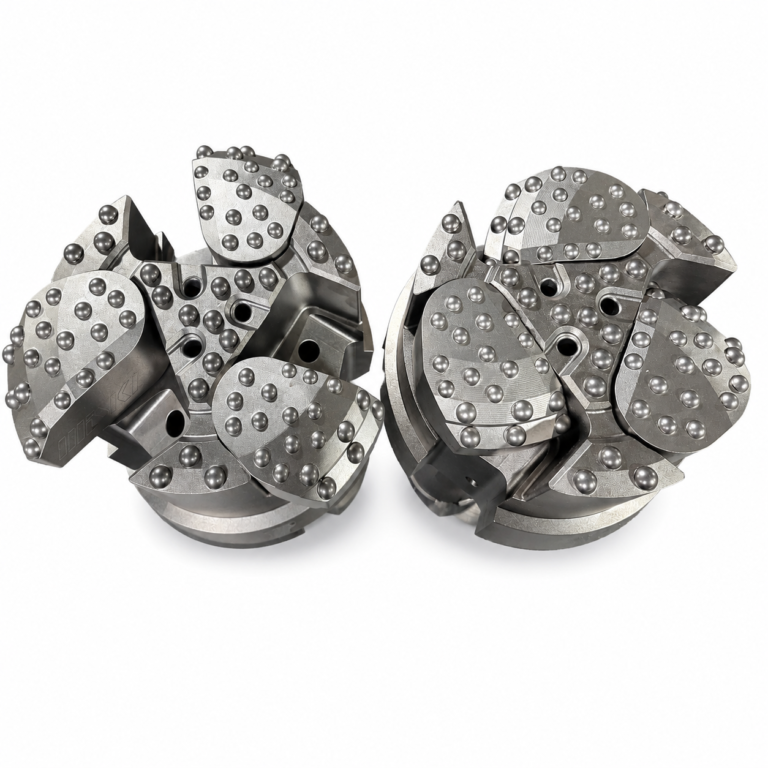
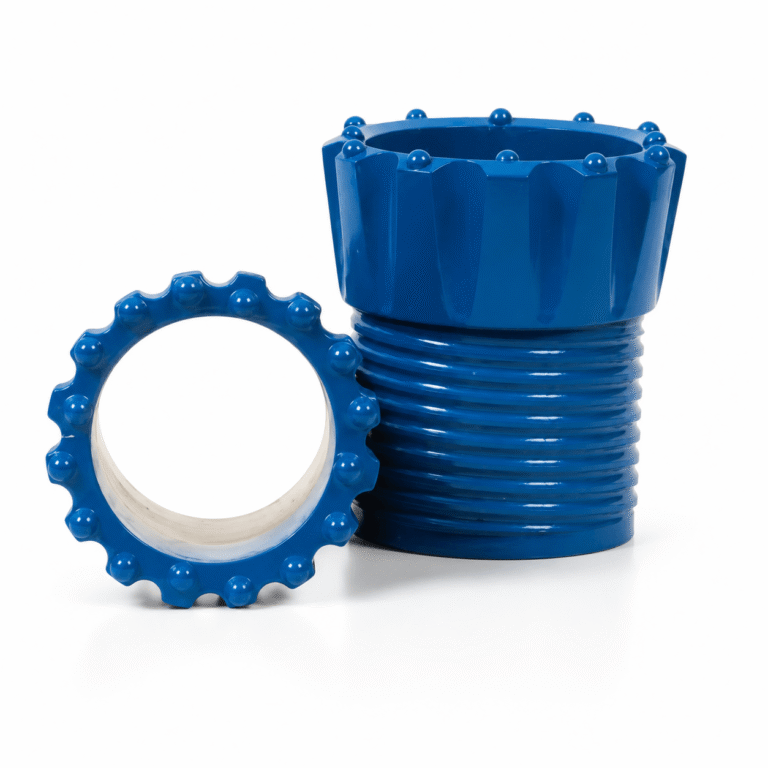
The casing system or sometimes known as an under reamer drills and drives and cases the hole simultaneously down to the required depth. The system cuts a hole larger than the casing which allows it to follow. Once at rock level this specialized drill bit can be extracted and drilled on with a conventional DTH bit to make the rock socket. Some casing systems allow for drilling on through the ring and casing shoe so no need to pull all components out of the drilled hole. Different system designs are available from wing type that swing open to required size to ring bit that offer a full face cutting surface.
DTH Drill pipe
The steel hollow drill pipes typically sit behind the DTH hammer and system to allow advancement down the hole to required depth. The come with many different threads, outer diameters, tube wall thicknesses and effective lengths, so its important to choose correct type for your application so not to encounter any issues. It’s also imperative to match the particular casings and drill pipes in same lengths so spanner flats are accessible to allows for extraction from the hole once drilling has finished.
DTH Air Hammer
A key component in pneumatically driving any casing system and casing pipe into hard rock or loose ground. Hammers are manufactured in a range of sizes to match the casing system from small to large sizes (3″ to 24″ typically) the DTH hammer is a crucial part of the overall drilling set up and is the pneumatic rotary driving force that ensures
Casing Shoe (or drive shoe)
The casing shoe is a critical component to both the casing system and casing pipe. Welded to the first or lead length of casing with drive shoulder indentical to the casing system itself, it creates a platform to guide the casing bit through any tricky ground formation. It also ensures the casing is positioned correctly and securely within the bore hole.
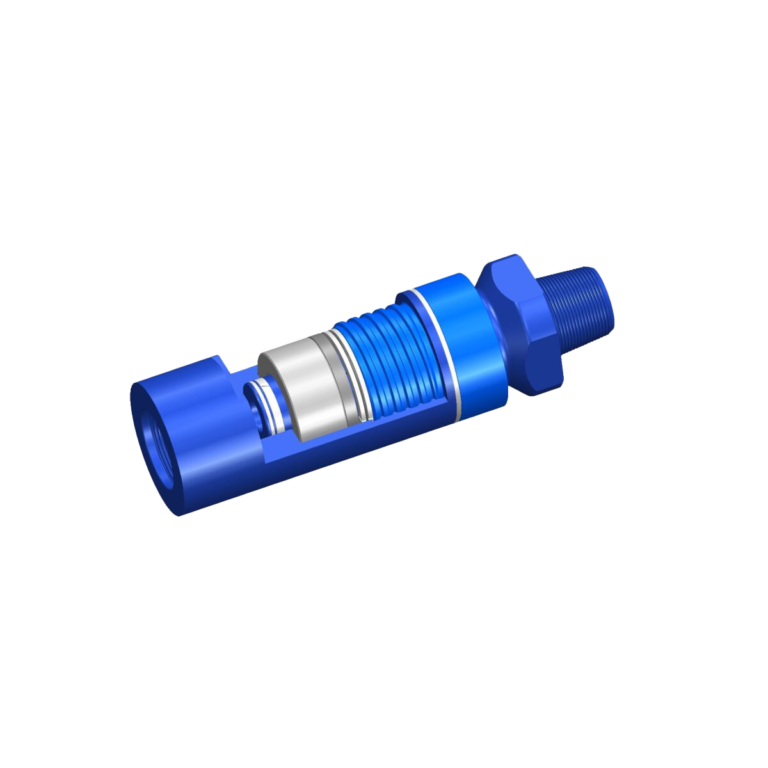
Shock Absorber
An optional component that can be added to the casing system drill string (sizes 3-18″) Usually it is connected above the DTH Hammer and first Drill Pipe to help reduce the vibrations travelling towards the drill rig boom and rotation motor.
Stabilizer Sub
This adapter sub is located between the DTH Hammer and first drill pipe (or shock absorber) to assist in centralizing the drill string and keep the hole straight. Several of these components could be required every few feet (or metres) for deeper holes that could have the possibility to deviate
Benefits of Casing Drilling Systems
1. Increased hole stability
2. Faster Drilling
By simultaneously drilling and casing the hole you minimize time spent on each phase of well or foundation construction. This efficiency translates to faster project completion and reduced downtime.
3. Cost-Effectiveness
4. Increased Safety
Types of DTH Casing Drilling Systems
-
1. RING BIT - Standard Casing Advancement System
These systems usually feature a simple and robust design comprising of pilot bit, heavy duty outer ring and casing shoe. The pilot securely locks into the outer ring via a locking mechanism to form an oversized drilling face similar to a regular DTH bit. This allows for the direct transfer of energy from the DTH hammer to the system face. -
2. RING BIT - Drill Through Casing Advancement Systems
While the above mentioned standard system is good for general purposes, the PASS-THRU variant offers advanced flexibility to drill on through the outer ring bit and casing shoe into bedrock once the casing is set without changing any tooling. This method comes at a higher tooling cost due to extra wear on the pilot bit but if speed and project time savings are required this system is ideal. -
3. WING BIT - Casing Advancement Drilling Systems
This design of casing system utilizes wings or segments that open out once drilling commences to allow penetration into loose overburden or rock. It's simple design has been built to suit a number of drilling applications and essential components such as wings are easily refurbished or replaced when worn.
Applications of Casing Drilling Systems
Casing drilling systems are used in a wide range of industries, each benefiting from their ability to streamline operations and enhance safety. Here are a few key applications:

1. Geothermal (Energy ) Well Industry
DTH Casing drilling systems are frequently used in geothermal drilling operations. They help create stable and accurate bore holes quickly in challenging ground conditions, creating a safe and efficient environment for capturing natural energy resources.

2. Water well Industry
DTH Casing advancement systems are commonly used in the water well drilling sector to simultaneously case holes in difficult drilling conditions. Helping to bring a secure barrier between the borehole and the surrounding ground reducing the risk of contamination, improved well stability and faster completion .

3. Geotechnical (Foundation) Drilling
DTH Casing advancement systems are very versatile tooling and can be utilized for many types of construction foundations, from shallow to very deep. These systems bring hole stability, accuracy and foundation integrity when drilling in complex soil conditions.
Best Practices for Casing Drilling
-
1. Pre-Drilling Analysis
Before beginning a drilling project, its usually vital a thorough geological survey and ground formation analysis (sometimes soil and rock sampling) is performed to understand the composition of the ground. This helps in selecting the most appropriate drilling system for the job thus avoiding any potential hazards in advance and ensure a positive outcome -
3. Employee Training
Ensure that drill operators and crew members are properly trained on the nuances of casing drilling systems as it is a specialized technique although used across various industries. Training should cover theory, trouble shooting techniques and understanding of different drilling applications and ground conditions. Hands on training cannot be underestimated along with industry compliance is key for successful operational outcome. We must also not forget environmental considerations as today minimizing the impact of drilling activities has never been more important.
Future Trends in Casing Drilling
Automation
The increased use of automation in DTH casing drilling systems allows for remote monitoring and control, reducing human error and improving operational efficiency. It also allows for seamless gathering of operational data.
Advanced Materials
Future casing drilling systems will no doubt feature new high strength steels for increased wear and corrosion resistance. This will extend product lifetimes and enable these systems to withstand more extreme and challenging drilling conditions.
Integration with Other Drilling Technologies
Casing drilling systems are increasingly being integrated with other advanced drilling technologies, such data driven drilling to help improve efficiency, reduce costs and minimize environmental impact. Integration of robotics will also feature in tasks such as pipe handing. This will have a big impact on safety taking away any potentially hazardous operations.
Conclusion
Casing advancement drilling systems will continue to revolutionize the drilling industry both now and into the future. It’s clear they offer enhanced efficiency, cost savings, and improved safety. For use in major projects, from high rise buildings for the piling foundation industry to deep geothermal wells for green energy they will continue to pave the way. By enhancing manufacturing technologies and improving operational industry processes these tools will be with us well into the future. New automation and Integration with other technologies will assist in helping to reduce the environmental impact and welcomed emissions reductions and overall waste. As technology continues to evolve and demand increases for more complex drilling projects, casing drilling systems will become even more integral to the future of the DTH drilling industry as we know it.
Frequently Asked Questions
1. What is the primary advantage of using a casing drilling system?
2. How does casing drilling improve safety?
3. What types of formations can casing drilling systems handle?
4. What sizes are standard sizes casing advancement systems are manufactured in?
5. What is included when I buy a DTH casing advancement system?
The system itself however complimentary products such as casing and drill pipe,, casing shoes, DTH hammer and stabilizer sub are part of the overall drill string tooling package but will need to be purchased separately