The Introduction
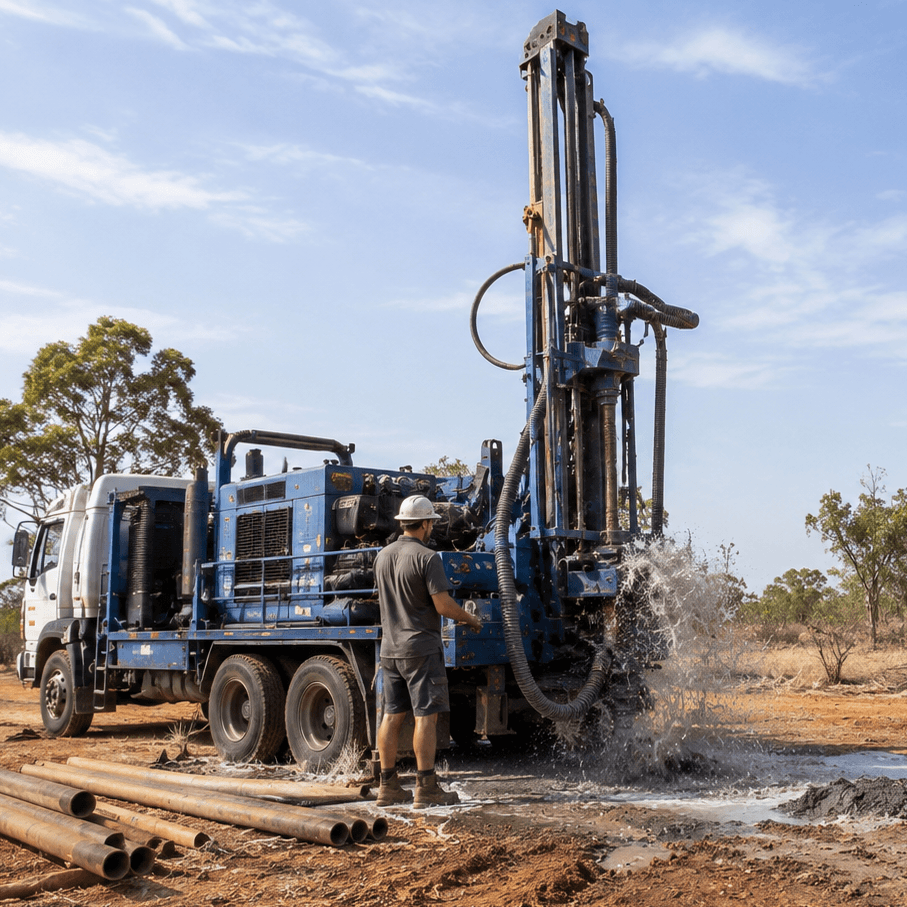
Water well drilling demands precision, efficiency, and the right tools to ensure successful outcomes. One critical component in this process is the Down-the-Hole (DTH) hammer, which plays a pivotal role in penetrating various ground types and reaching desired well depths. This guide provides an in-depth look at selecting the most suitable DTH hammer for your drilling projects, optimizing both performance and cost-efficiency.
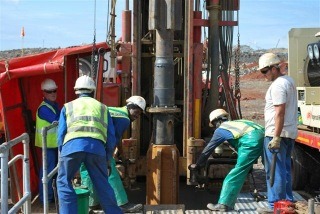
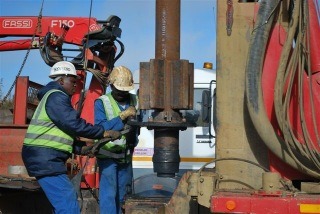
DTH Hammer Drilling
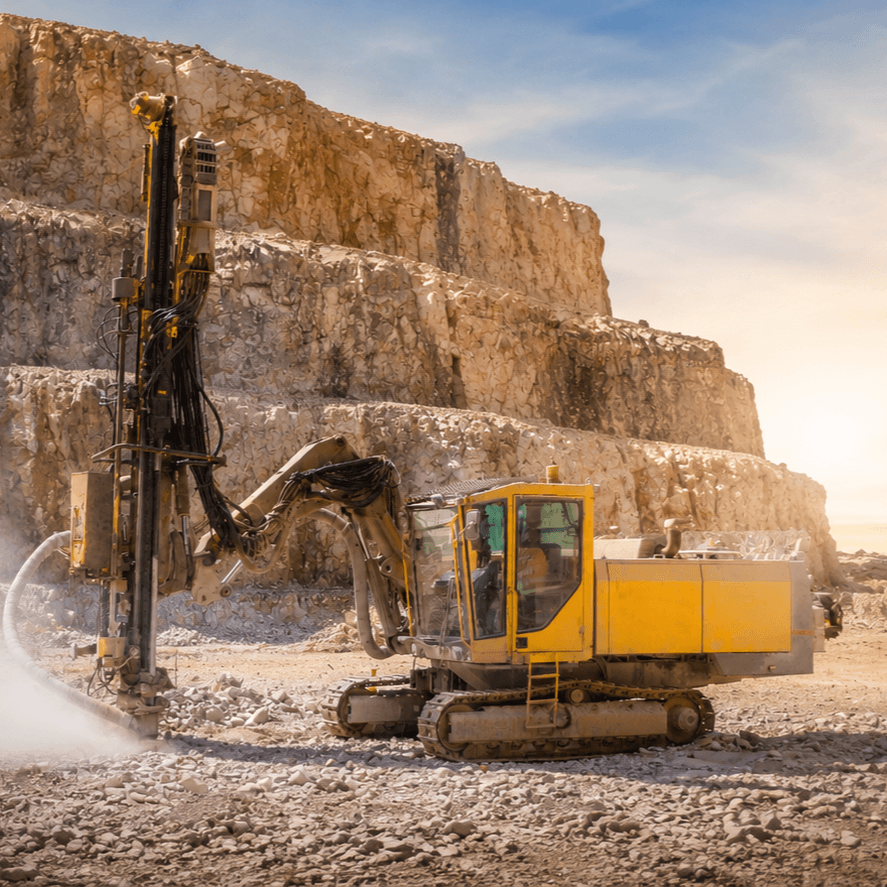
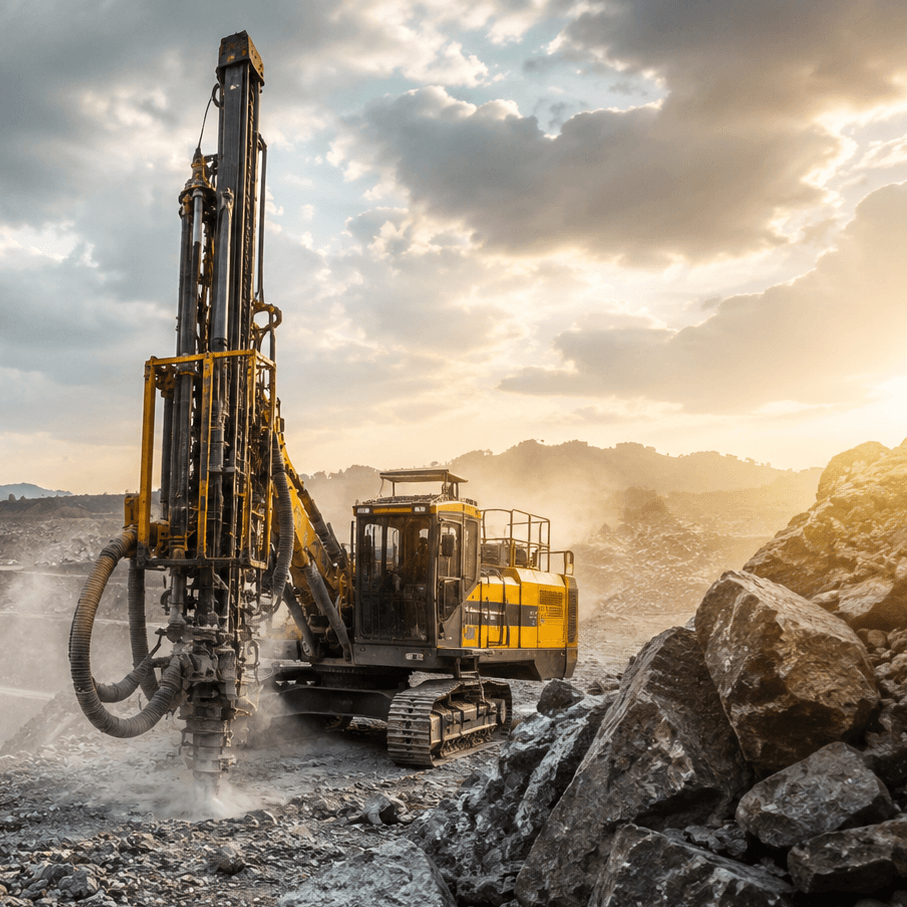
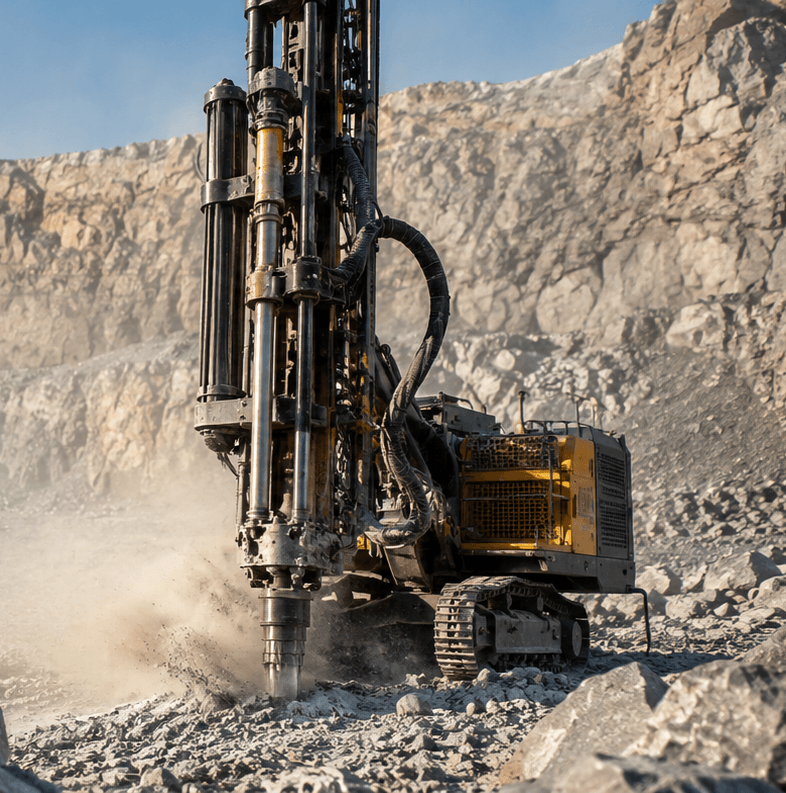
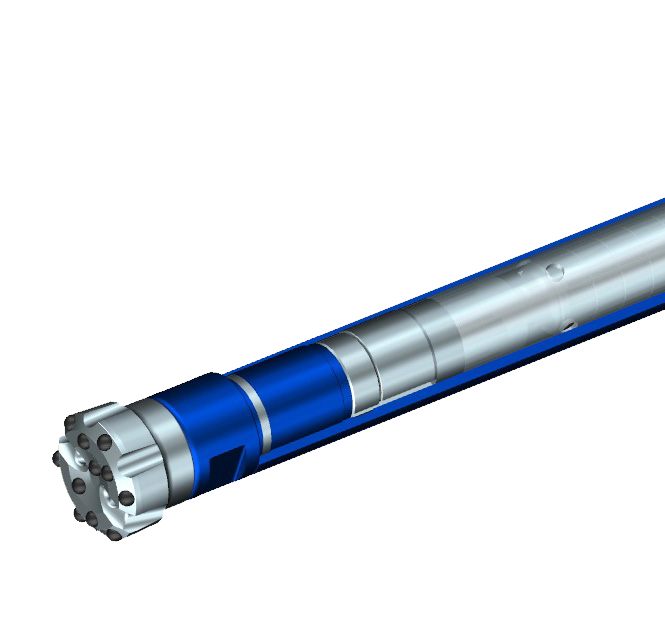
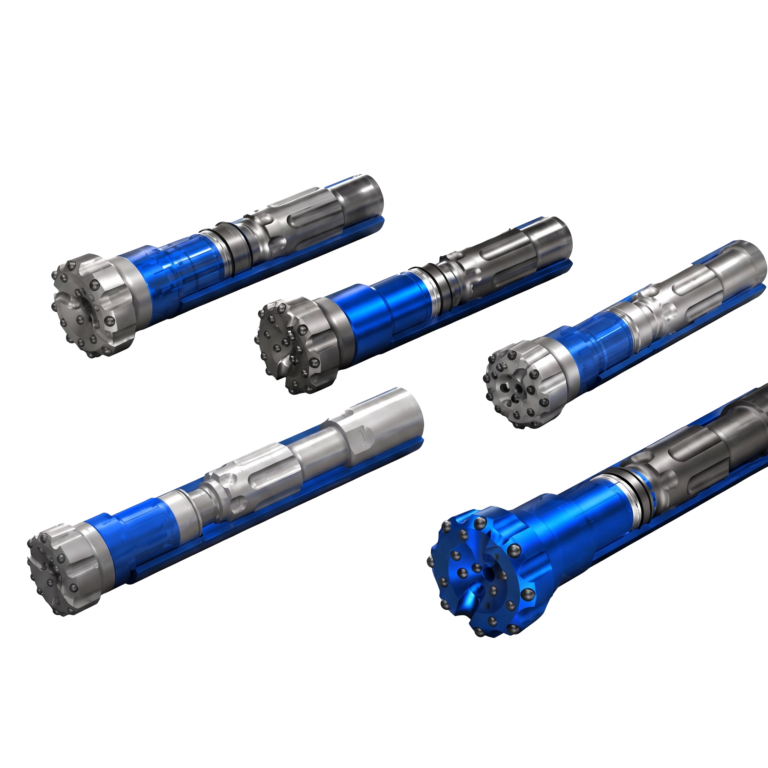
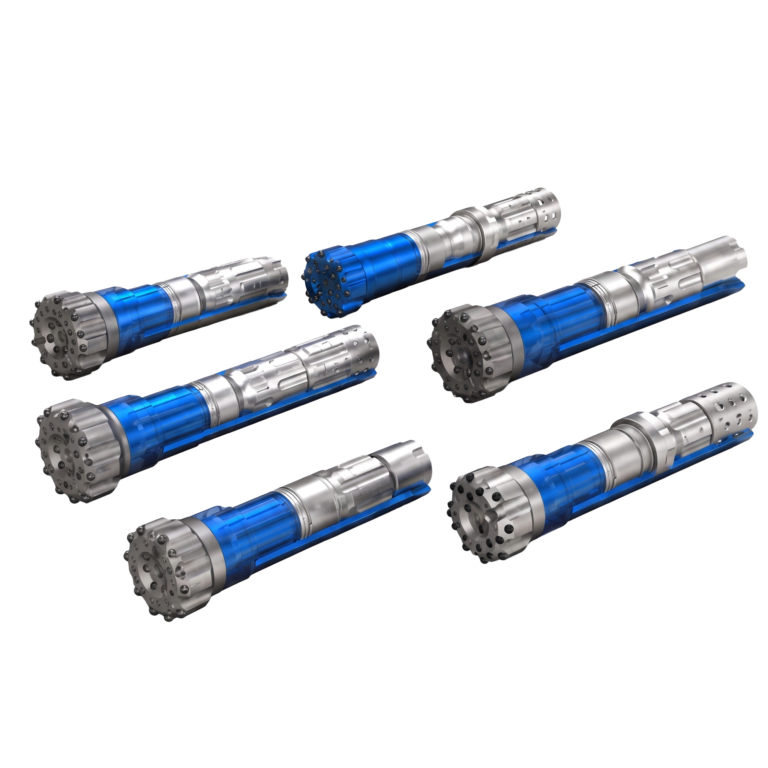
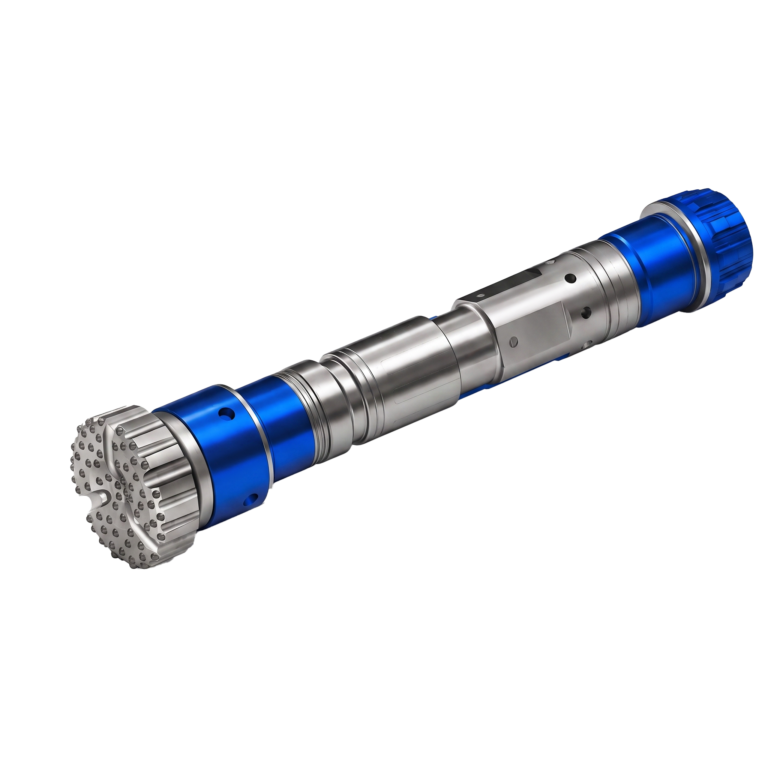
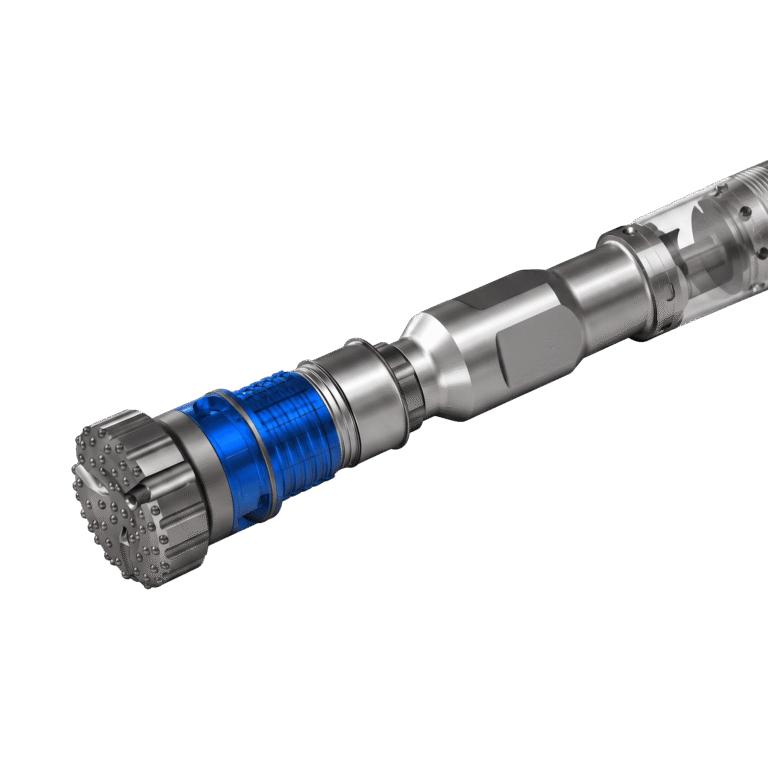
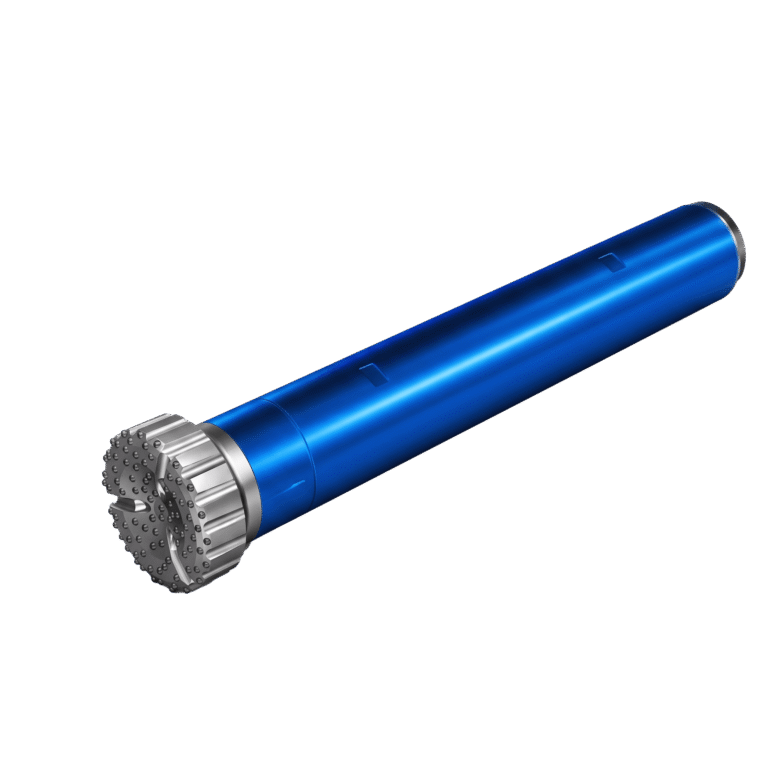
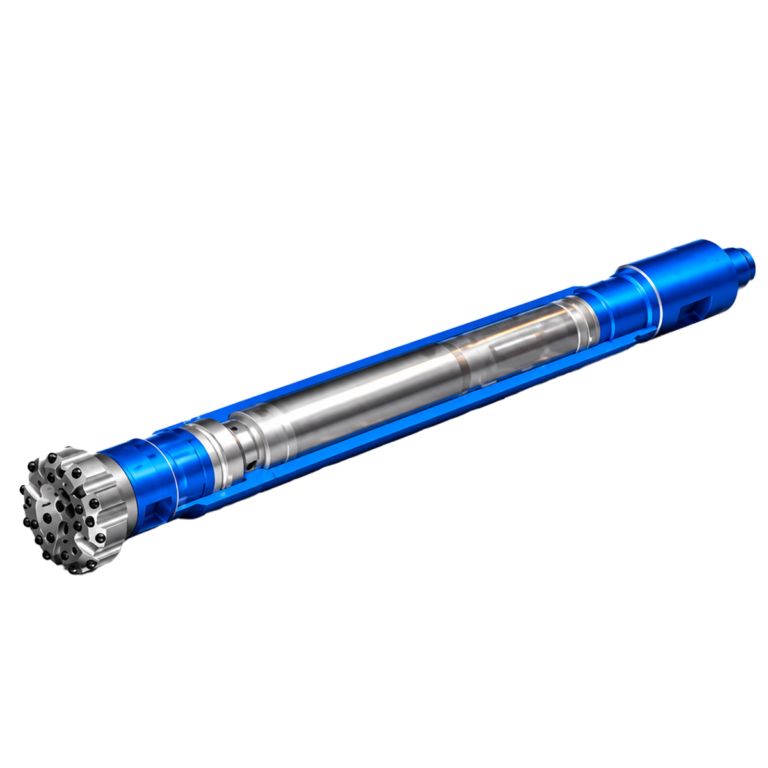
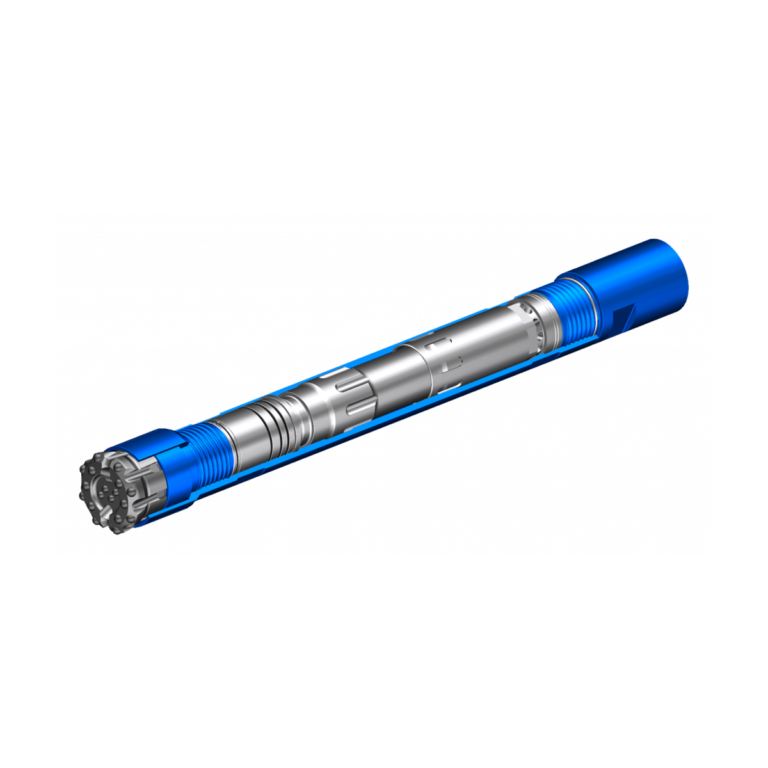
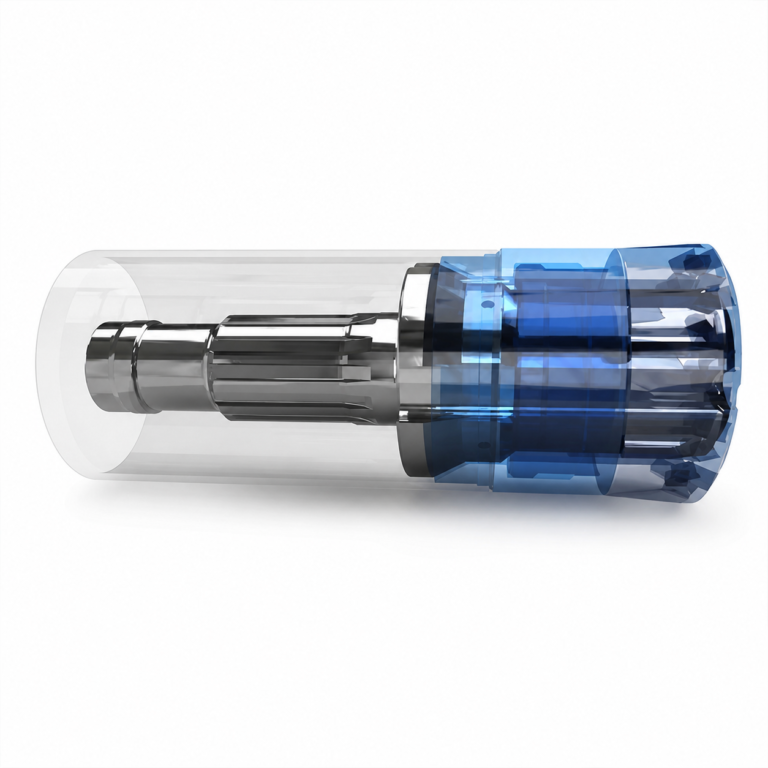
DTH hammer drilling is a widely utilized technique in the drilling industry, known for its effectiveness in breaking down rock and soil with minimal energy loss. Unlike rotary drilling, where the drill bit is rotated from the surface, DTH drilling involves a hammer that operates directly behind the drill bit. This direct impact results in faster penetration rates and reduced wear on the drilling equipment.
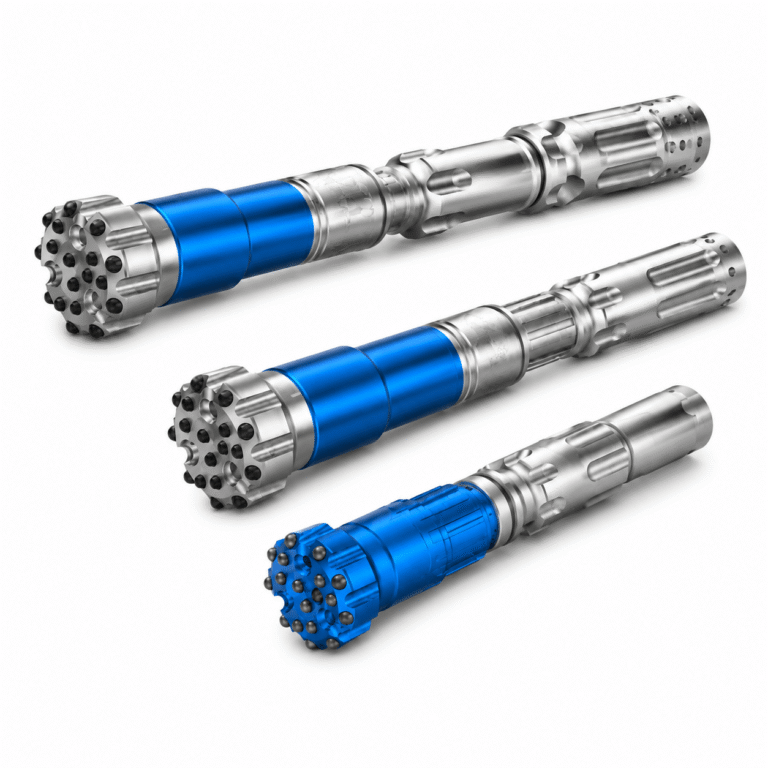
Selecting the right DTH hammer bit is crucial to maximizing efficiency and ensuring the success of a drilling project. The wrong bit can lead to increased operational costs, slower drilling speeds, and even equipment failure. Understanding the factors that influence bit selection is essential for drilling professionals, contractors, and procurement managers who seek to optimize their operations.
Understanding Different Soil Types and Their Impact on Drilling
- Hard Rock: Drilling through hard rock formations, such as granite or basalt, requires a DTH Hammer bit with high durability and resistance to wear. The hardness of the bit material and the design are critical in maintaining drilling speed and efficiency.
- Soft Rock: Softer rocks, like limestone or sandstone, are less abrasive but may require a DTH Hammer bit that can handle the potential for clogging. A bit with a larger face area and optimized for faster penetration is typically recommended.
- Clay: Clay soils can be sticky and prone to clogging, making it difficult to achieve clean and efficient drilling. A convex or concave bit design that minimizes clogging and ensures smooth operation is often preferred. You may even require a casing type system in softer ground conditions especially if the ground is unstable
- Sandy Soils: Sandy soils are abrasive and can cause rapid bit wear. Choosing a DTH Hammer bit with increased resistance to erosion and optimized for sandy conditions is vital to maintaining drilling performance. Again a casing type system may have to be considered if the bore hole is collapsing
Factors to Consider When Choosing a DTH Hammer Bit
When selecting a DTH hammer bit, several factors must be considered to ensure it matches the specific requirements of the drilling environment:
Bit Design
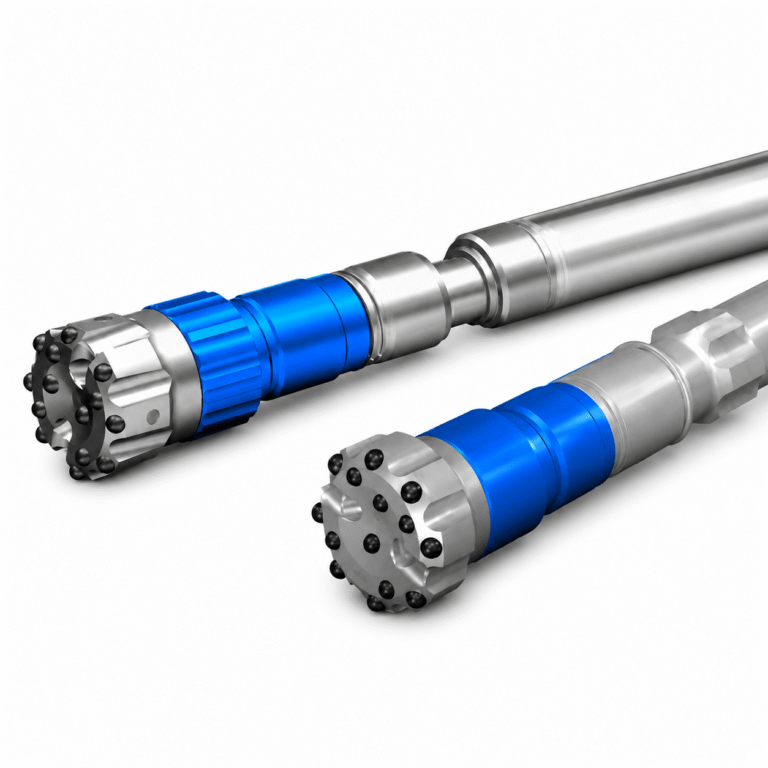
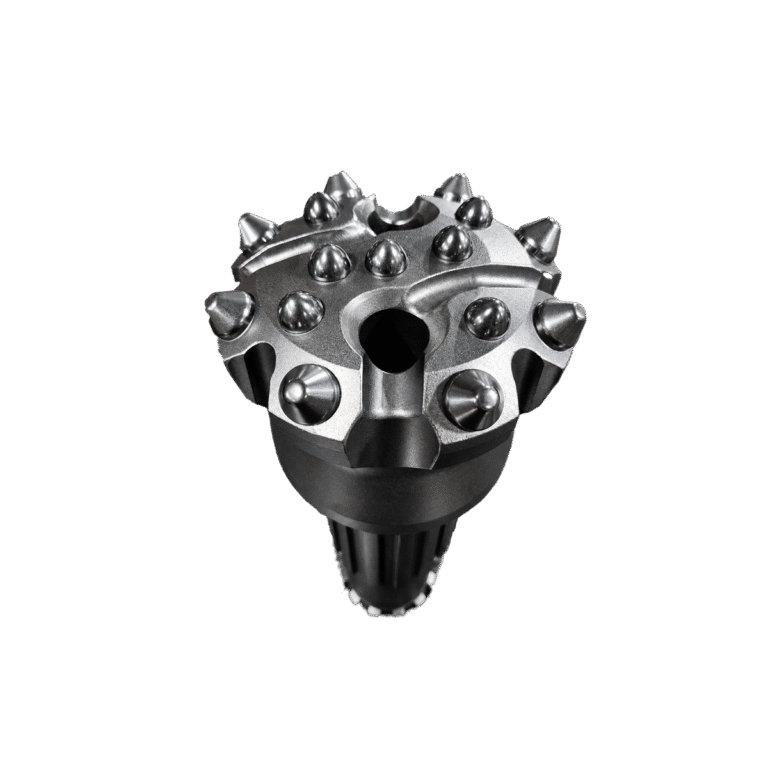
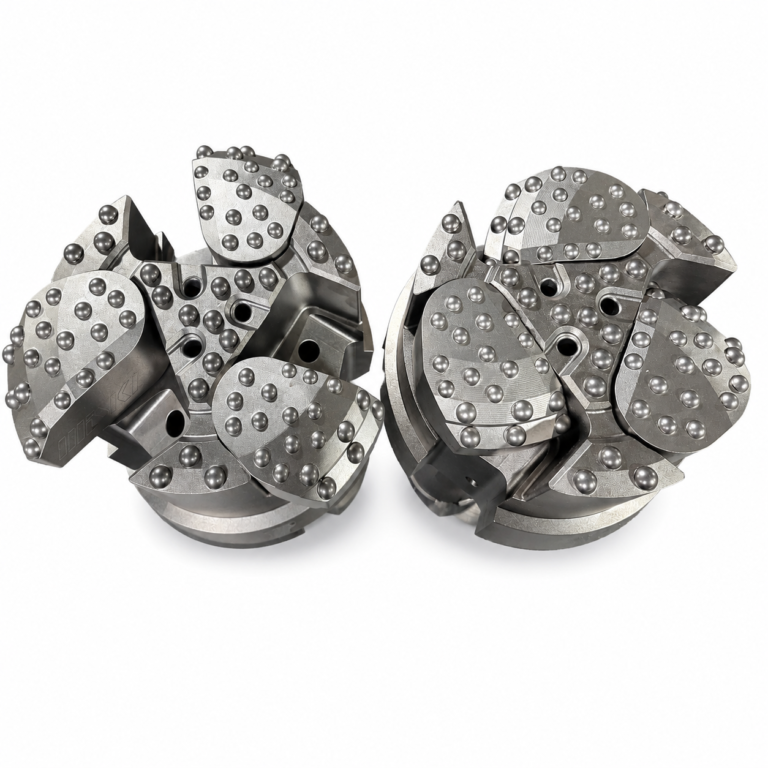
- Concave Bits: Ideal for drilling in soft to medium-hard rock, concave bits offer a balance between speed and bit life. They are effective in maintaining a straight hole and reducing the risk of deviation.
- Convex Bits: Best suited for hard rock formations, convex bits are designed to minimize bit wear and maximize penetration in tough conditions.
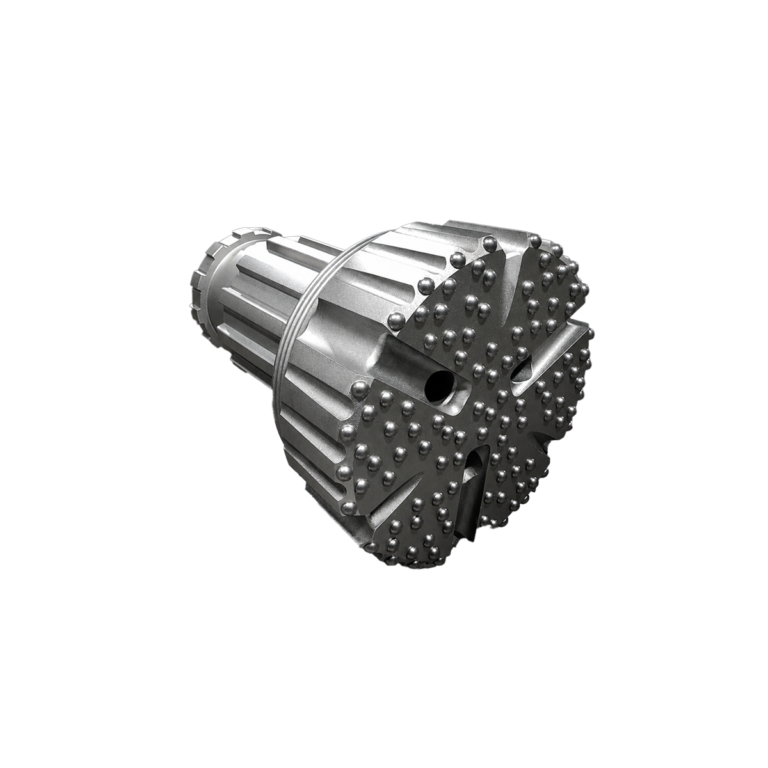
- Flat-Face Bits: Versatile and suitable for a range of rock types, flat-face bits provide efficient drilling in both soft and hard formations. Their design ensures even wear and maintains drilling accuracy.
Material Hardness
Bit size and Diameter
Drilling Speed and Efficiency
Matching DTH Hammer Bits to Well Depths
- Shallow Wells: For wells less than 300 feet deep (100m), a standard DTH hammer bit with moderate durability and penetration speed is typically sufficient.
- Deep Wells: For wells exceeding 300 feet (100m), a bit with enhanced durability and resistance to wear is essential. High-quality materials, a design with extra flushing characteristics are all factors that minimize the risk of bit failure and are crucial in maintaining drilling efficiency at greater depths.
Selecting the Right DTH Hammer Bit for Specific Applications
- Hard Rock Drilling: When drilling through hard rock formations, such as granite or basalt, a convex bit made from high quality alloy steel combined with premium grade tungsten carbide grade is typically recommended. These bits are designed to withstand the intense pressure and abrasion encountered in hard rock drilling.
- Soft Rock and Unconsolidated Soils: For softer rocks, such as limestone or sandstone, a concave or flat-face bit with a larger face area is ideal. These bits are optimized for faster penetration and reduced clogging in softer conditions.
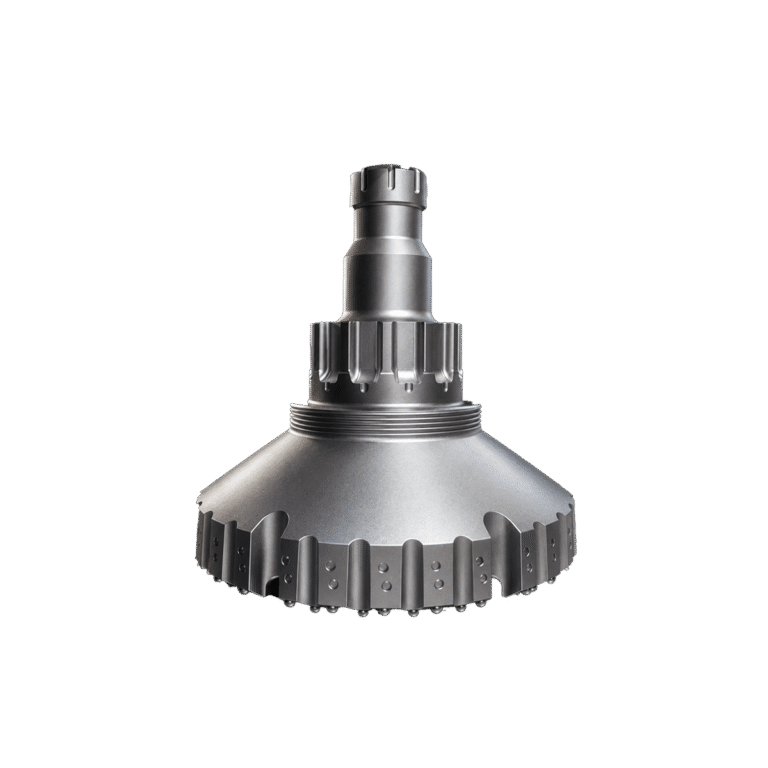
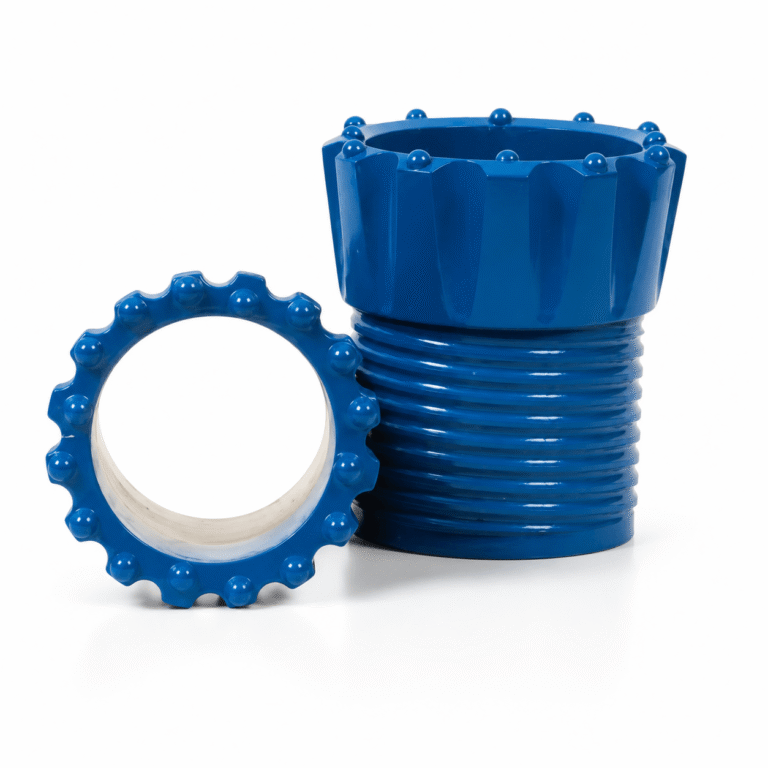
- Overburden and Mixed Terrain: Drilling through mixed or layered ground requires a versatile bit that can handle varying conditions. A flat-face bit with moderate hardness and an adaptable design is often the best choice for these challenging environments. A system which allows for a casing to be drilled down may also need to be considered.
Optimizing Drilling Performance with Proper Bit Maintenance
- Regular Inspection: Conduct regular inspections to identify signs of wear, such as chipping or cracking of face carbide or steel body section. Replace or redress worn bits promptly to prevent further damage to the drilling equipment.
- Proper Cleaning: Clean the bits after each use to remove debris and prevent clogging. Proper cleaning extends the life of the bit and ensures consistent drilling performance.
- Storage: Store bits in a dry, secure location and oil also to prevent rust and corrosion. Correct storage conditions help maintain the integrity of the bit materials, shank splines to extend their useful life.
Cost-Benefit Analysis
When selecting a DTH hammer bit, it is essential to consider both the initial cost and the long-term value. High-quality bits may have a higher upfront cost, but their durability and performance often result in lower operational costs and longer lifespan. In contrast, cheaper alternatives may wear out more quickly or even fail prematurely, leading to increased replacement costs and reduced drilling efficiency.
To sum up, choosing the right DTH hammer bit is a critical decision that can significantly impact the success of a water well drilling project. By considering factors such as ground composition, well depth, bit design and bit quality, drilling professionals can make informed choices that optimize drilling performance and reduce operational costs.
For those looking to enhance their drilling operations, our team at Drill King will provide tailored advice and access to a wide range of high-quality DTH hammers. Selecting the right DTH hammer not only improves drilling efficiency but also ensures long-term project success.